The bread was ready - or almost. The dough had been mixed, and under ordinary circumstances a family would have waited, covered the bowl, let the yeast do its slow work while the heat built and the loaf grew. But these were not ordinary circumstances. The order had come. Egypt had finally, under the weight of the tenth plague, let the people go. There was no time to wait for the dough. They wrapped the unbaked, unleavened mass in cloth, loaded it onto their shoulders, and walked out into the morning. The bread finished its baking in the desert sun.
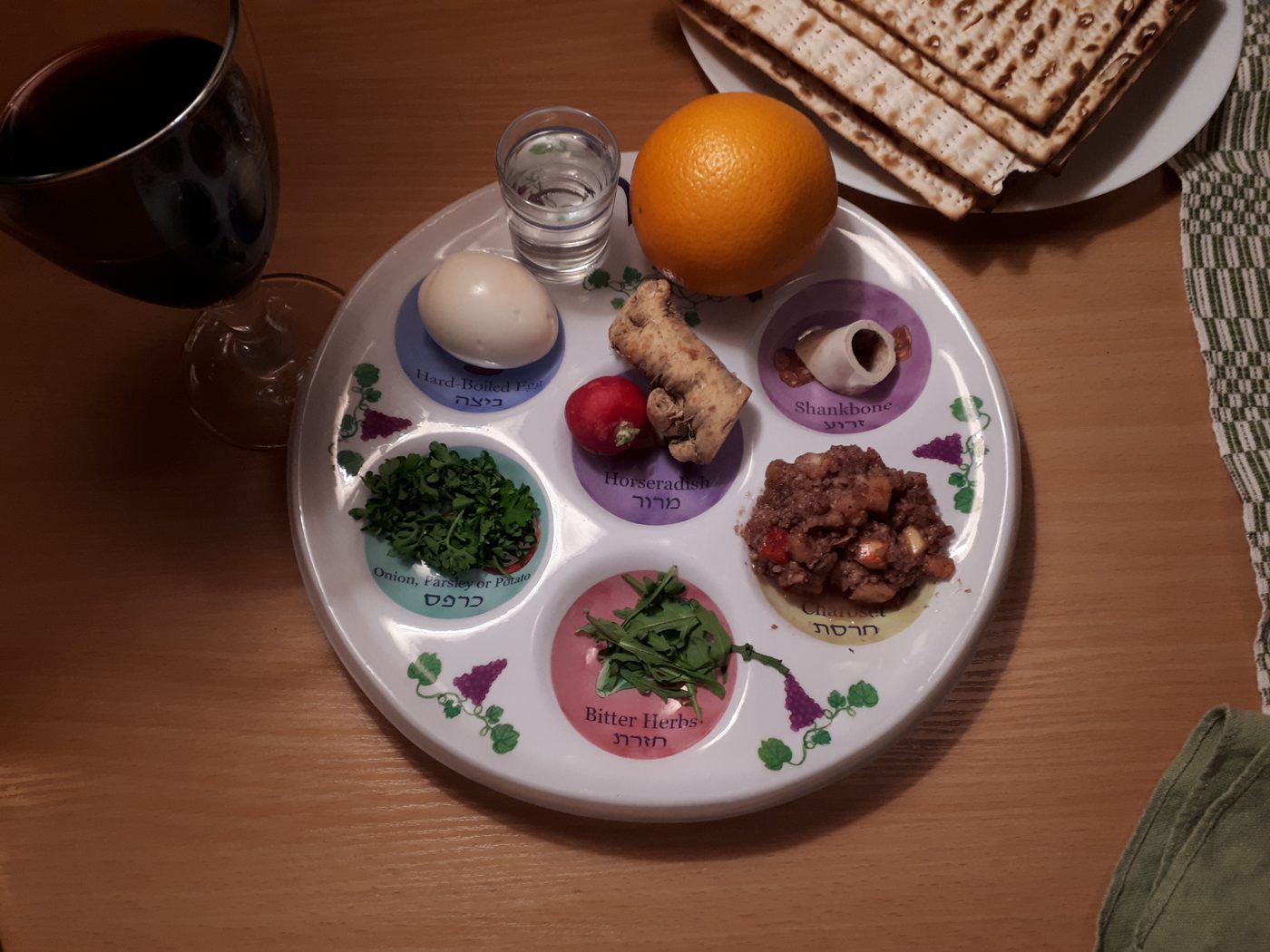
That is the scene the Torah preserves in Exodus 12 and Deuteronomy 16 - and it became the central food of a people's memory. Matzah, the flat unleavened bread eaten at Passover, is not a culinary accident or a poverty food. It is a monument to haste. Every cracker-dry sheet is a re-enactment: this is what we were eating when we left. We were in too much of a hurry to let it rise. The calendar obliges every subsequent generation to eat it again, to feel that same urgency in their mouths, to taste their own freedom before they have quite caught up with it.
The record
The commandment to eat unleavened bread is among the oldest and most precisely specified in the Hebrew corpus. Exodus 12:15-20 mandates seven days of matzah, beginning on the fifteenth of Nisan, and commands the complete removal of leaven (chametz) from the household - a legal category elaborated at length in the Mishnah tractate Pesachim (compiled c. 200 CE, part of the Mishnah edited by Rabbi Judah haNasi). The Talmud's tractate Pesachim (Babylonian Talmud, Pesachim 5a-120b) distinguishes between matzah that is "guarded" (shmurah) from the moment of harvest and standard matzah, a debate that continues in practice today. The requirement is among the most widely observed of all Jewish commandments, documented continuously from the Second Temple period through to the present.
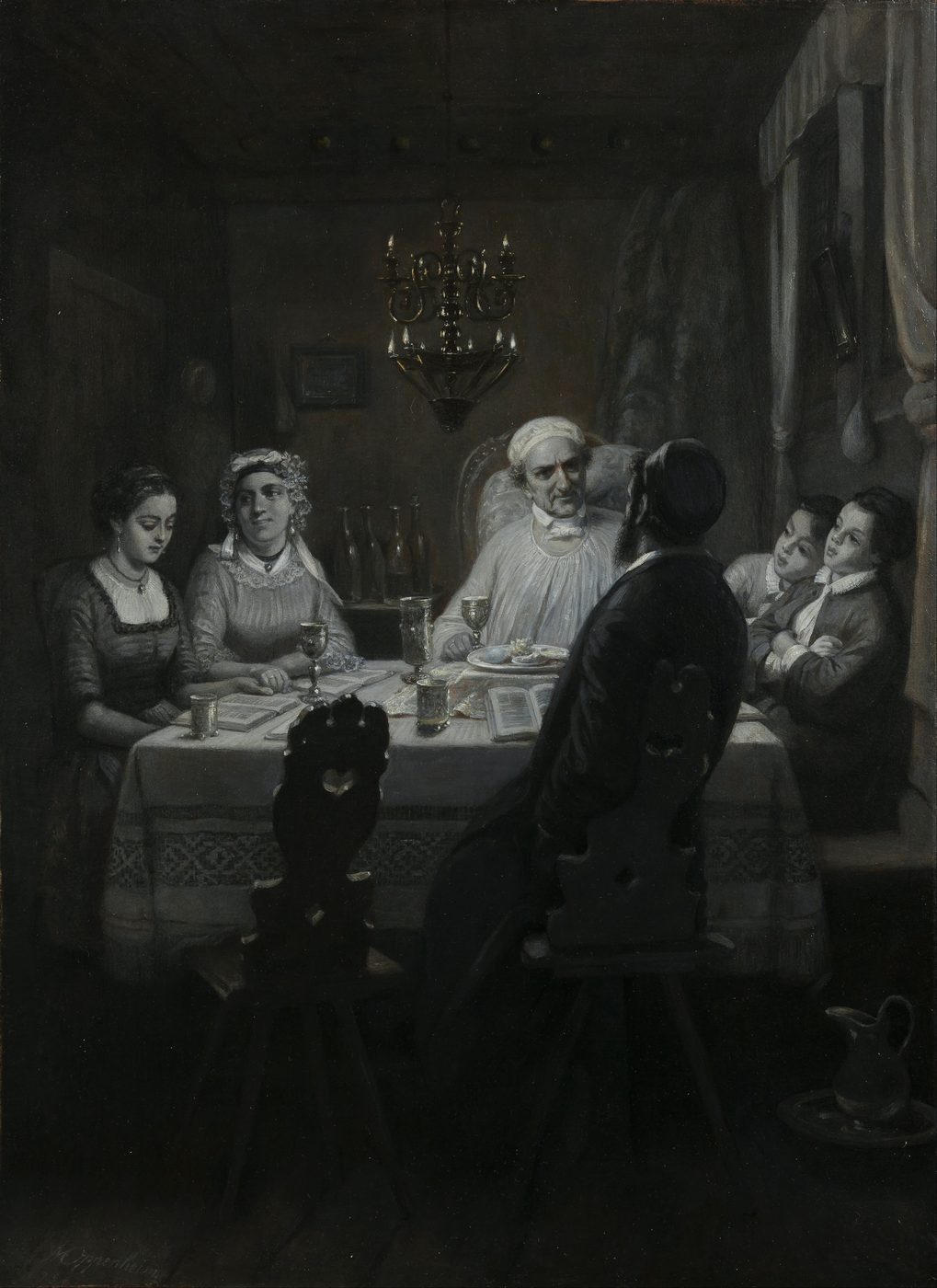
The Passover Seder builds the entire evening around matzah's three roles. It is the bread of affliction - lechem oni in Hebrew, the poor bread eaten in Egypt. It is the bread of haste - the bread that could not rise because freedom would not wait. And it is the bread of redemption - because on the far side of that hurried departure lay everything. The Haggadah instructs every participant to regard themselves as if they personally left Egypt. The matzah is the sensory anchor for that instruction. You cannot read yourself into the story and eat a warm, yeasty roll at the same time. The flatness is part of the argument.
The record
Archaeological evidence for unleavened bread in the ancient Near East is extensive. Flat, unfermented bread was standard subsistence food across Egypt and Canaan throughout the Bronze Age - simple grain ground and baked quickly on hot stones, requiring no infrastructure. What the Exodus narrative does is take that common, poor bread and load it with specific historical meaning. The distinction between leavened and unleavened is already present in the earliest strata of Israelite festival law: the Festival of Unleavened Bread (Chag HaMatzot) appears in the ancient cultic calendar of Exodus 23:15, regarded by scholars such as Frank Moore Cross (in Canaanite Myth and Hebrew Epic, Harvard University Press, 1973) as among the oldest liturgical passages in the Torah. The spring barley harvest context - the first grain of the year, eaten before it could be fermented - gives the command a natural agricultural grounding that was then fused with the Exodus memory.
There is an old rabbinic observation that matzah and chametz are made from the same ingredients - flour and water - and the only difference between them is eighteen minutes, the time the sages calculate it takes for dough to begin fermenting. Freedom and slavery are made of the same stuff. What separates them is speed, will, the moment of decision. The dough that waited became bread for Egypt. The dough that did not wait became the food of a free people. Every Passover table in every generation sets that eighteen-minute choice before the family again, made crisp and flat and unmistakable on a plate.
Matzah is one of those objects that does exactly what it looks like. It is plain, it is dry, it crumbles. It asks nothing of you culinarily, which is the point - the meaning has always been carried by the story, not the flavour. What the flat bread carries across thirty-two centuries is not a recipe but a posture: the posture of people who were moving, who did not have time to be comfortable, who chose departure over waiting. To eat it is to rehearse that posture once a year, to remind the body what the mind is meant to hold.