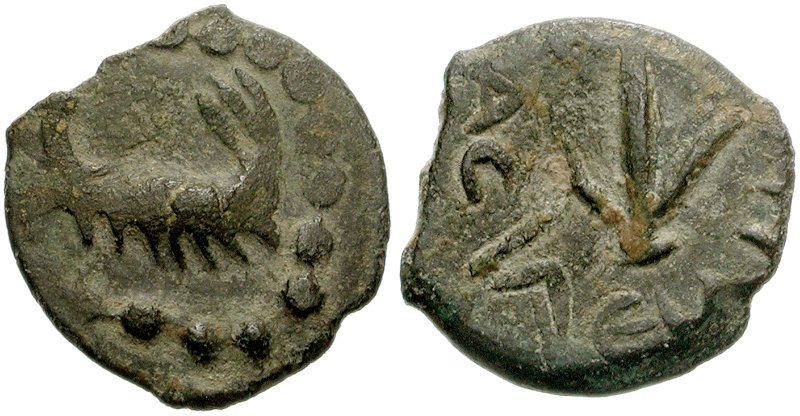
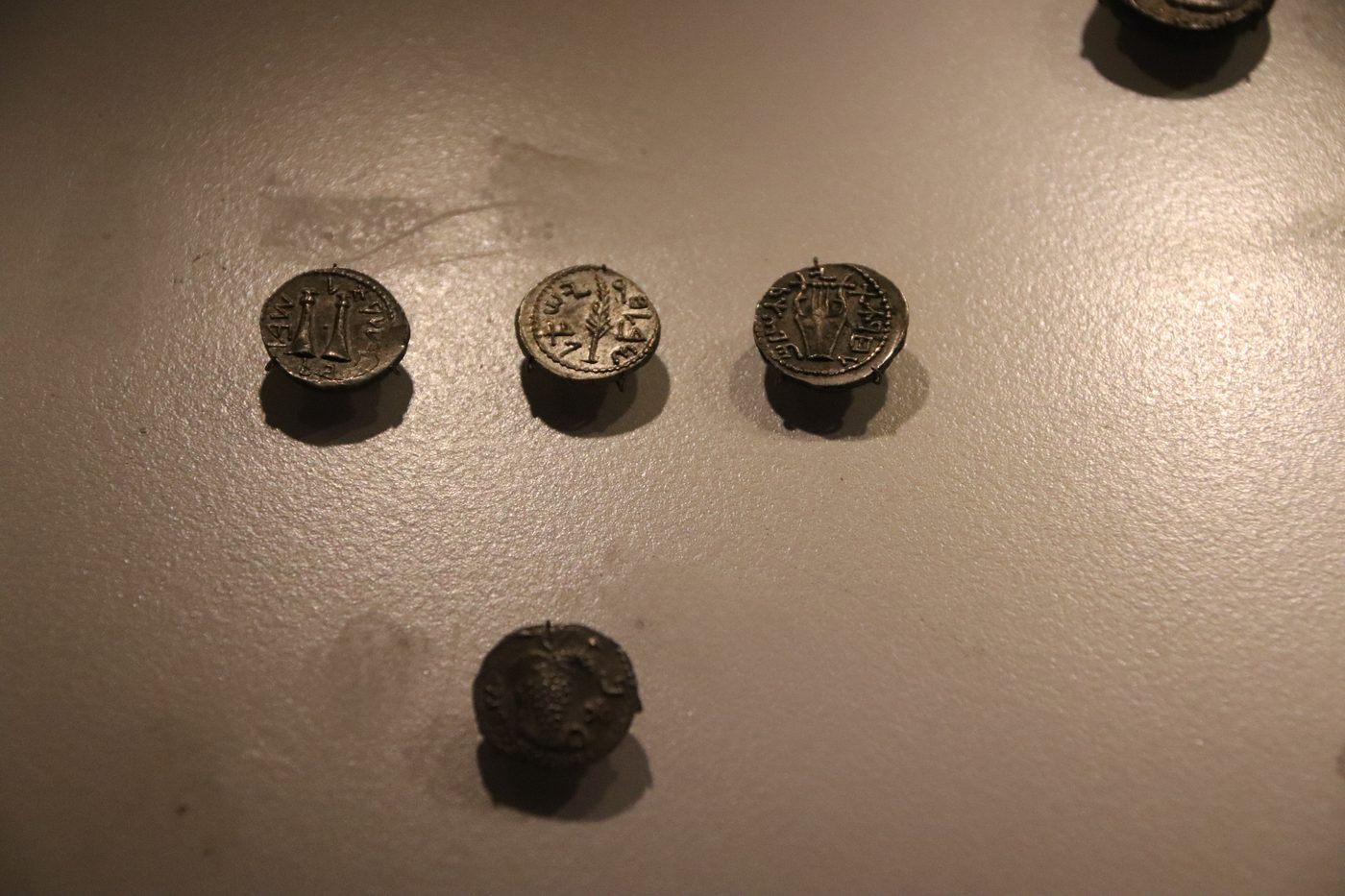
The coin is arresting even now - a silver disc barely the width of a thumb, stamped in the old script that Rome could not read, declaring in paleo-Hebrew "Shekel of Israel" on one face and "Jerusalem the Holy" on the other. No emperor's portrait. No Roman eagle. The artisans who cut the dies in Year 1 of the revolt, then Year 2, then Year 3, were not making currency. They were making a statement of sovereignty pressed in silver: this land is ours, this city is ours, and we are counting our years from the beginning of our own freedom.
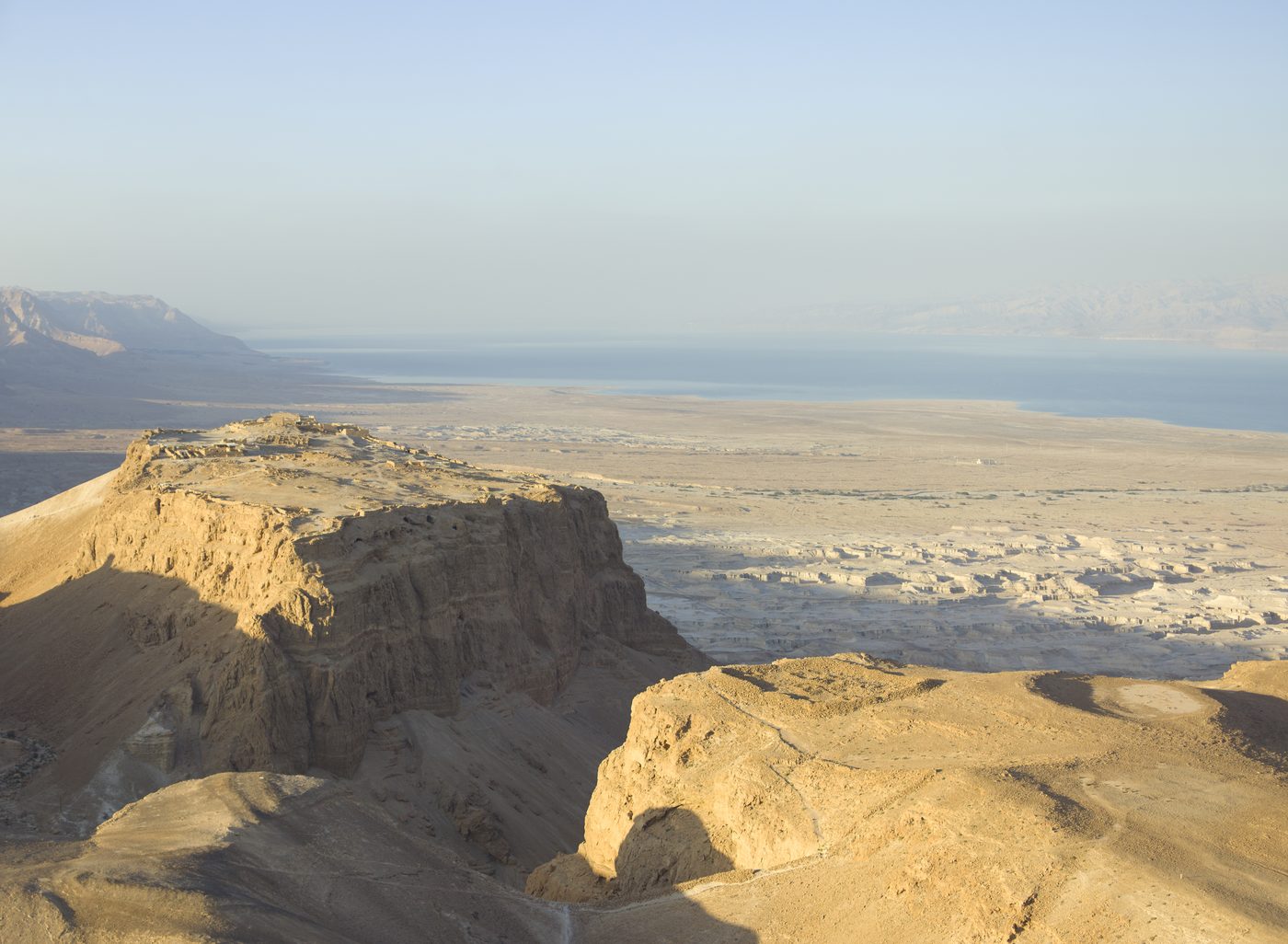
The revolt did not begin with a declaration. It accumulated - through decades of Roman procurators whose indifference to Jewish law shaded into contempt, through provocations in Caesarea and Jerusalem, through the social fractures between priestly aristocracy and the landless poor, between those who could afford to wait Rome out and those who had nothing left to lose. In 66 CE it broke. The Temple authorities stopped the daily sacrifice offered on behalf of the emperor. The sicarii took the fortress of Masada. In Jerusalem, the high-ranking captain Eleazar ben Ananias refused to accept Roman gifts or tribute at the Temple. These were not riots. They were acts of government by a people declaring themselves no longer subject.
The record
The principal ancient source for the outbreak of the revolt is Josephus, a Jewish general who later surrendered to Rome and wrote its history in Greek. His "Jewish War" (Bellum Judaicum), composed in the 70s CE, records the sequence of provocations and flashpoints in 66 CE: the procurator Gessius Florus's seizure of seventeen talents from the Temple treasury, the subsequent killings in Jerusalem, the decision by Eleazar ben Ananias to halt the imperial sacrifice, and the early rebel victory at the Antonia Fortress. Josephus was an eyewitness to portions of the war and his account, while coloured by his own complex position, remains the indispensable primary source. (Josephus, "Jewish War", Books II-III; Loeb Classical Library edition, Harvard University Press.)
What happened next surprised Rome. The Syrian legate Cestius Gallus marched south from Antioch with the Twelfth Legion - a full Roman legion, experienced and equipped - expecting to suppress a local disturbance before the end of the campaigning season. He reached Jerusalem, penetrated as far as the walls of the Temple Mount, and then, for reasons that still puzzle historians, withdrew. The rebels pursued him through the Beth Horon pass and fell on the retreating column. The Twelfth Legion lost its eagle - the gravest humiliation a Roman unit could suffer. Soon after the retreat, and before the spring of 67, Cestius Gallus died, unable to recover his reputation. Rome now understood it had a war on its hands and dispatched Vespasian, one of its most reliable generals, to finish it properly.
The record
The revolt's coinage constitutes a distinct archaeological record independent of Josephus. Silver shekels and half-shekels were struck in Jerusalem during each year of the revolt - years 1 through 5 (66-70 CE) - in paleo-Hebrew script, a deliberate rejection of the Aramaic and Greek scripts of everyday Judaean life in favour of the ancient alphabet associated with the First Temple period. The British Museum, the Israel Museum in Jerusalem, and the American Numismatic Society each hold examples. Year 5 coins are the rarest, struck in the final weeks of the city's siege. The coins bear no images of people or animals, consistent with Jewish law, and name no human ruler. Numismatic study of die analysis and distribution (catalogued by Ya'akov Meshorer, "A Treasury of Jewish Coins", 2001) has established the sequence and volume of production, showing an organised administrative effort sustained over four years of active war.
The revolt had no single face. It produced faction as much as unity - Zealots, Sicarii, and the moderate priestly leadership fought each other inside Jerusalem even as Rome tightened its grip outside. The Galilean campaign collapsed by 67 CE, with Vespasian's legions methodically reducing town after town. The defenders of Jotapata held for forty-seven days before the fortress fell; Josephus, their commander, gave himself up and was taken in chains to Rome's camp, where he became Vespasian's interpreter and ultimately his court historian. The reckoning took four more years - Jerusalem fell in 70 CE, the Temple burned, and the revolt's last remnants were extinguished at Masada in 73 CE.
What the revolt produced, against every expectation, was not only catastrophe but endurance. The rabbis who survived regrouped at Yavneh and began the long process of building Judaism without a Temple, a project so successful that it is the Judaism we have today. The silver shekels - "Jerusalem the Holy" stamped in the old letters - were buried, hoarded, lost to the ground, and dug up again in our own time. They are still being found. The people who minted them lost the war. They did not lose the argument.