Tel Rehov does not look like a punchline until archaeology turns up the bees. Before that, it is simply one more substantial Iron Age site in the northern Jordan Valley, the sort of place that proves the kingdom of Israel was not a ghost story but a working landscape with roads, fields and administration.
Then the hives appear, and the place becomes even more interesting. A city can be made visible by its walls; a kingdom can also be made visible by its industry. Rehov does both.
The apiary
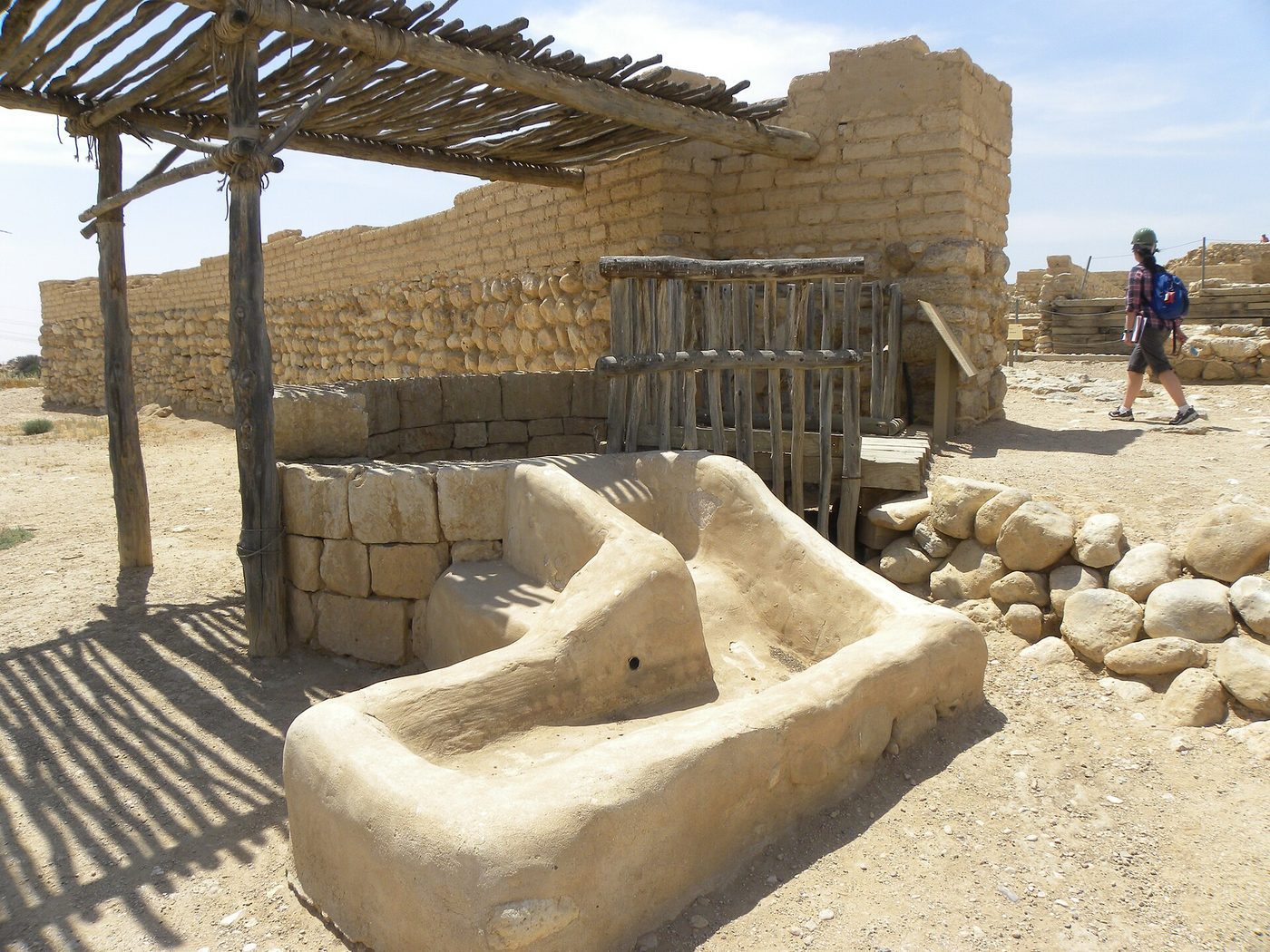
The Tel Rehov excavation produced the oldest known apiary yet found in the ancient Near East: more than a hundred cylindrical hives, arranged in rows, with charred bees still preserved enough to confirm the scale of the operation. The hives date to the tenth or early ninth century BCE. That is not hobby beekeeping. That is a proper industry.
The find matters because it gives texture to the northern kingdom at exactly the period when later memory likes to flatten it. Rehov was not a loose collection of names. It was a place that made things, traded things and lived at scale.
The Tel Rehov apiary
Archaeologists uncovered more than a hundred clay beehives at Tel Rehov, with remains indicating a managed apiary capable of producing large quantities of honey. The hives are the oldest known of their kind anywhere, and they turn an Iron Age site into something delightfully concrete: a place that made sweetness on purpose.
Proceedings of the National Academy of Sciences; Tel Rehov excavationsA kingdom in profile
That sweetness matters because the site is otherwise all seriousness: a large settlement, long occupation, and the sort of continuity that suggests the northern kingdom had real depth before the Assyrian break. Rehov appears in older lists, too, which means the name itself had a long run before it became an excavation label.
The point is not that bees save history. It is that they make it tangible. Once you have hives, the site stops being an abstract layer in a textbook and becomes a place where people went about a difficult job and expected the result to be worth eating.
Honey is the hook; occupation history is the body. Rehov gives both.
Amihai Mazar's excavations
The modern excavation campaign at Tel Rehov, led by Amihai Mazar, ran from 1997 through 2012 and established the site as a major Iron Age centre in the Bet She'an Valley. The work tied the apiary to the broader settlement history and made the site impossible to ignore.
Tel Rehov excavations; Amihai MazarWhat it leaves
Tel Rehov leaves a simple, useful lesson. The northern kingdom was not a footnote and not a myth. It had urban scale, rural reach and a knack for making useful things. Bees are just the surprise delivery. The record was already there.