A frontier is a sentence the land writes in stone, and at Beersheba you can still read it. On a low mound at the head of the Negev sits a planned little town from the days of the kings of Judah, its streets, gate and storehouses laid out as deliberately as an argument. It was never large. It was never meant to be. It was meant to hold the southern edge, and for a couple of centuries it did exactly that.
The biblical memory runs deeper than the walls. Beersheba is where the patriarchs dig wells and swear oaths, the name itself heard as "the well of the oath" or "the well of seven". By the time scribes wrote "from Dan to Beersheba" they meant the whole land, top to bottom, and the southern word in that phrase was this place. The excavated town is younger than the legends, but it sits in the same spot the stories always pointed to, which is its own quiet kind of corroboration.
A town built to a plan
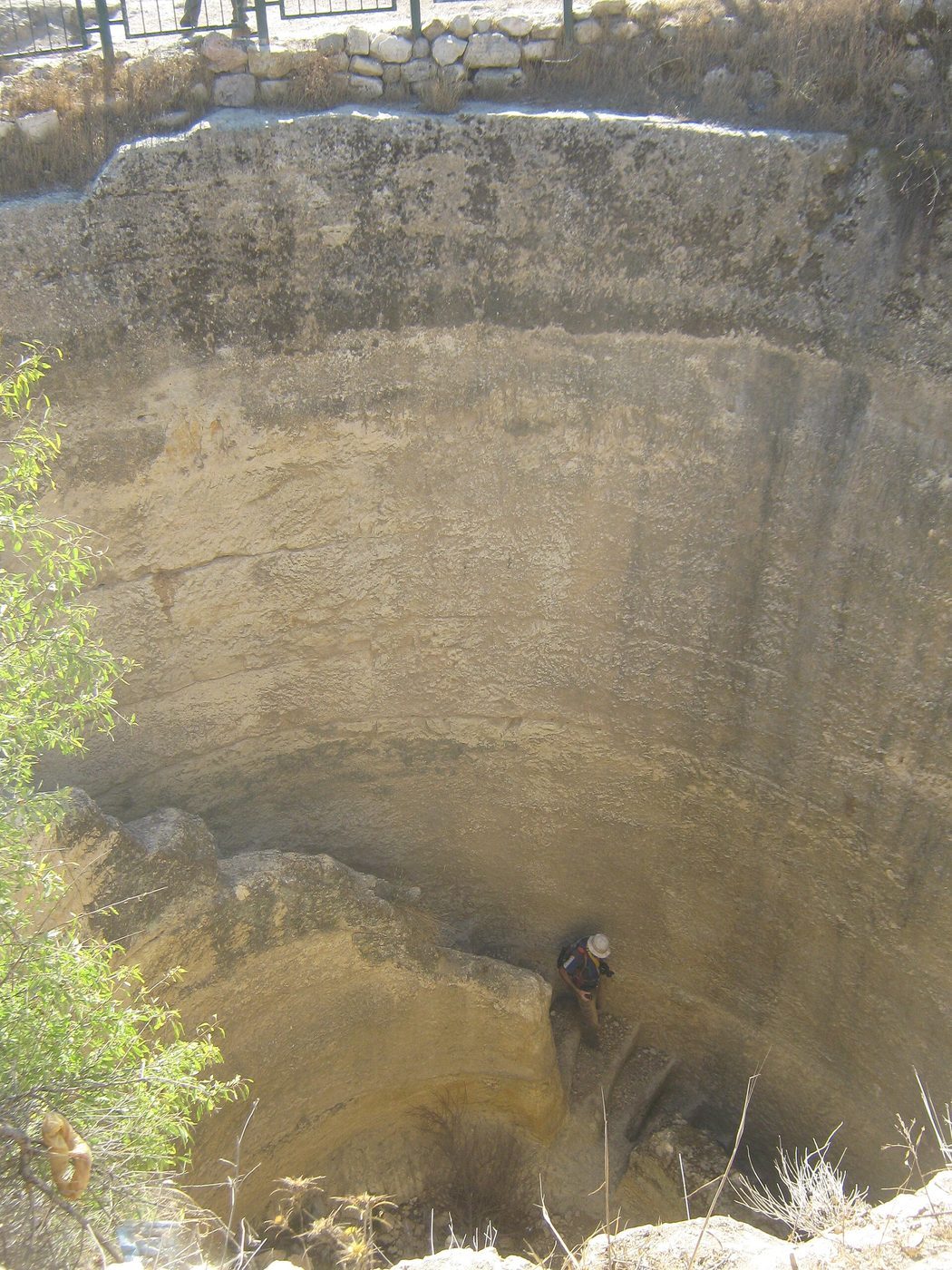
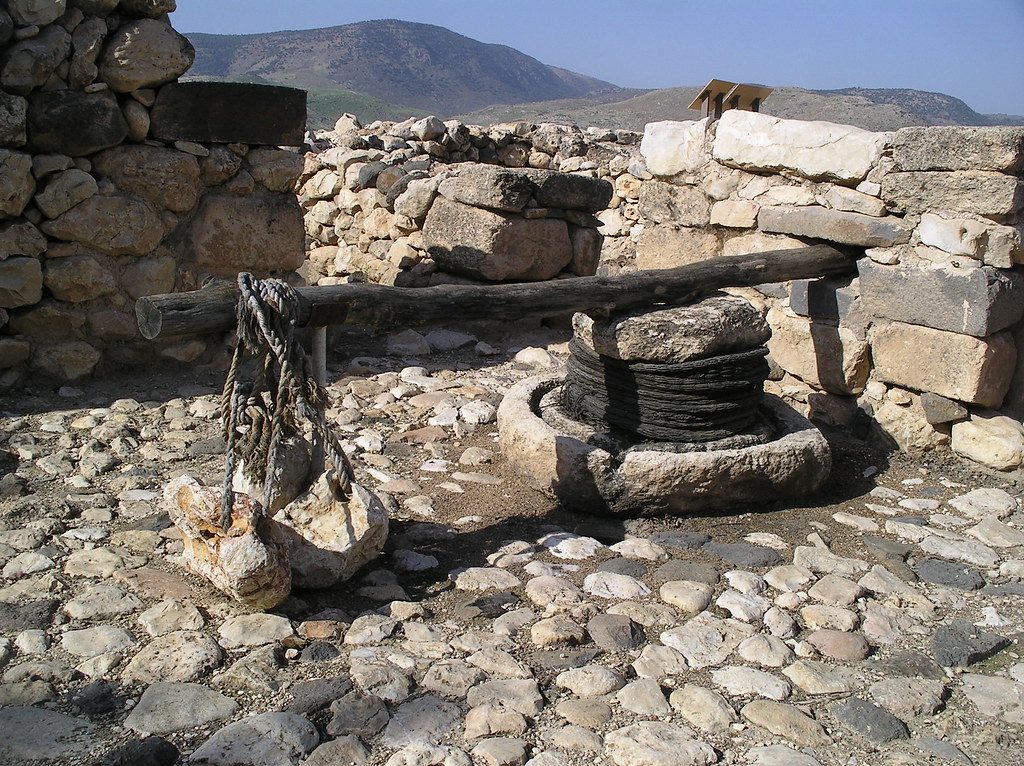
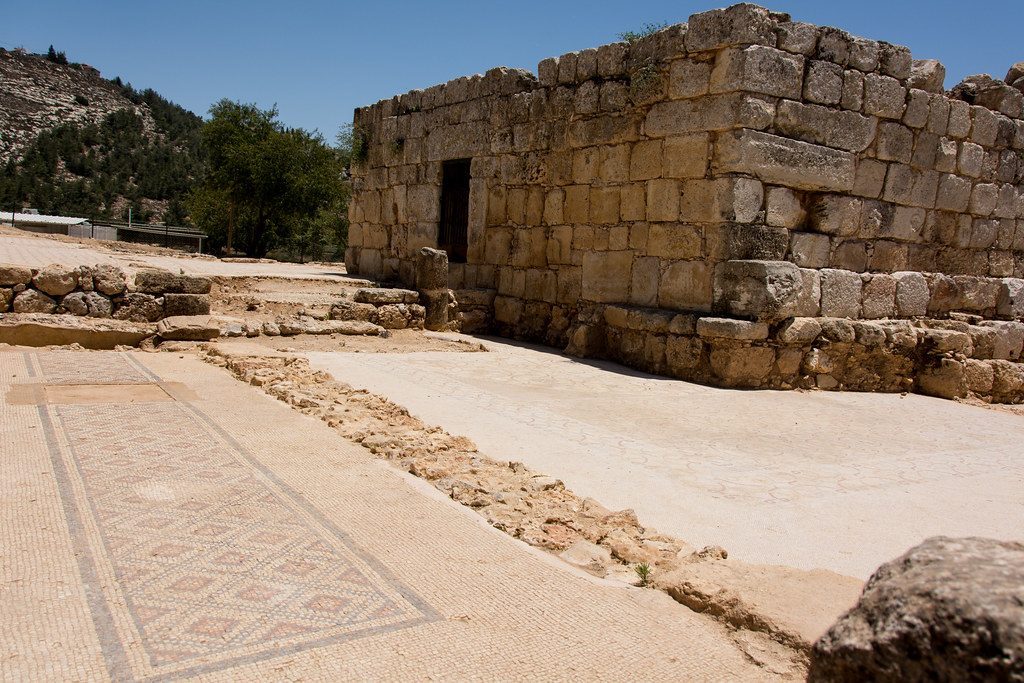
What the spade found is not a heap but a design. The Iron Age town is oval, ringed by a wall, entered through a gate, and threaded by streets that bend with the perimeter so that the houses brace the defences from the inside. Belt-shaped storehouses stand near the gate. Beneath the streets runs a hewn water system able to hold a siege. This is a garrison and an administrative point, a place where the kingdom kept grain, soldiers and authority at the spot where it ran out of country.
Then came the fire. The best-preserved town, the one whose plan visitors walk today, ended in a great conflagration at the close of the eighth century BCE, most likely in the Assyrian campaign of 701. Sennacherib's army did to the southern towns of Judah what armies do. Beersheba burned. The burning is half the reason we can read it so well now, because a town destroyed quickly and left alone keeps its furniture where it fell.
The dismantled horned altar
In 1973, excavators directed by Yohanan Aharoni recovered the stones of a large four-horned ashlar altar that had been taken apart and reused as building material in a later storehouse wall. An altar deliberately dismantled is a striking object: many scholars connect it to the centralising religious reforms ascribed to Hezekiah, who is said to have pulled down the high places. The altar is now reconstructed and displayed at the Israel Museum, Jerusalem.
Y. Aharoni, Tel Aviv University excavations · Israel MuseumThe altar is the kind of find that does two jobs at once. It tells you that sacrifice happened here, and it tells you that someone, later, decided sacrifice should not happen here, and took the trouble to bury the evidence inside a wall. The stones outlasted both the worship and the ban. That is the habit of stones.
An edge is not a lesser thing than a centre. Beersheba held the bottom of the land, and the kingdom needed its bottom held.
Cistern, gate and granary
Tel Be'er Sheva preserves a subterranean water system of rock-cut cisterns and channels, built to gather and store rainwater in a region without springs and to outlast a siege, alongside pillared storehouses set near the city gate. The town was inscribed in 2005 on the UNESCO World Heritage List as one of the "Biblical Tels - Megiddo, Hazor, Beer Sheba".
UNESCO World Heritage List · Biblical Tels (2005)Why a small place matters
It would be easy to overlook Beersheba for the same reason its builders never did: it is small, dry and far from the capital. But the southern gate is exactly where a kingdom shows whether it is a kingdom at all. Anyone can hold the rich centre. Holding the thirsty edge, with cut cisterns and walls and a garrison's worth of grain, is the part that takes a state. Beersheba is the proof that Judah was a state, written at the precise point where statehood is hardest.
The name kept walking after the town fell. A later Beersheba grew up nearby, and the modern city of the Negev carries the word forward into a country that once more runs, in the old phrase, all the way down to it. The well of the oath is still being dug, in a manner of speaking. The land is still writing the same sentence.
Further reading
Story & Stone · Atlas Places Nº 6
Next on the shelf: Bethlehem: The Hill Country Town →