Singapore’s Jewish story begins with merchants. Baghdadi traders from Calcutta and the wider Indian Ocean world arrived in the early nineteenth century and made a community out of commerce, kinship and the practical need for a place to pray. In a port city, that is more than enough.
The first synagogue was a shophouse near Boat Quay. The second, Maghain Aboth on Waterloo Street, became the building everybody remembers. Singapore likes a clean line of heritage; the Jews gave it one.
From Boat Quay to Waterloo Street
In 1841, three Jews received a land lease to build a synagogue in a small shophouse at Boat Quay. That early building is the best image of the first Singapore Jewish phase: practical, rented from the commercial city and tucked inside it without fuss.
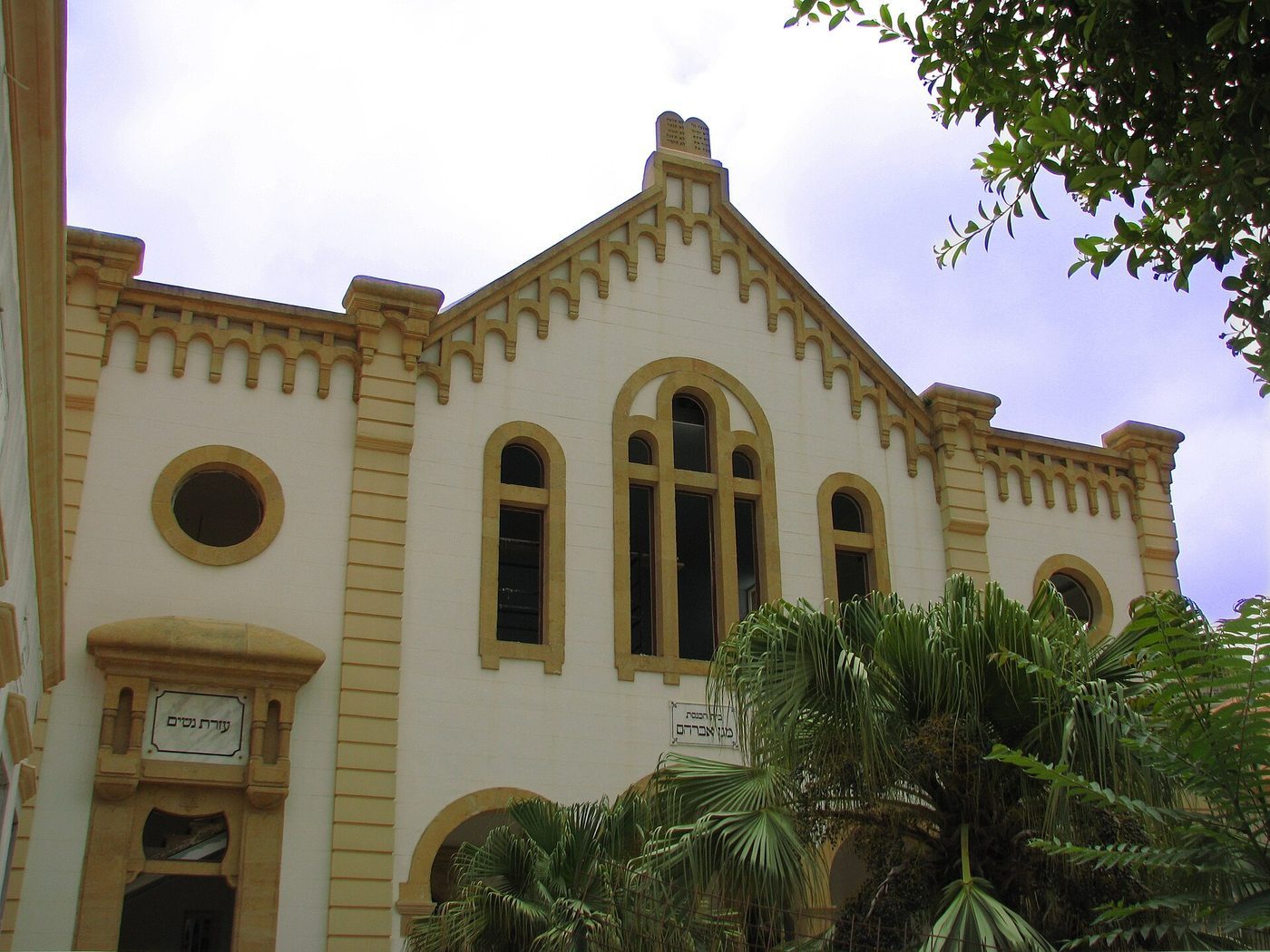
By the 1870s the community had outgrown the shophouse. Sir Manasseh Meyer financed Maghain Aboth Synagogue, completed in 1878, which remains the oldest synagogue in Southeast Asia and the main place of worship for Singapore Jewry.
The Boat Quay shophouse synagogue
Three Jewish settlers in Singapore were granted land in 1841 to create a synagogue in a shophouse near Boat Quay. The place was the first public Jewish house of prayer in the colony and the seed of later communal life.
History of the Jews in SingaporeA building that outlived the numbers
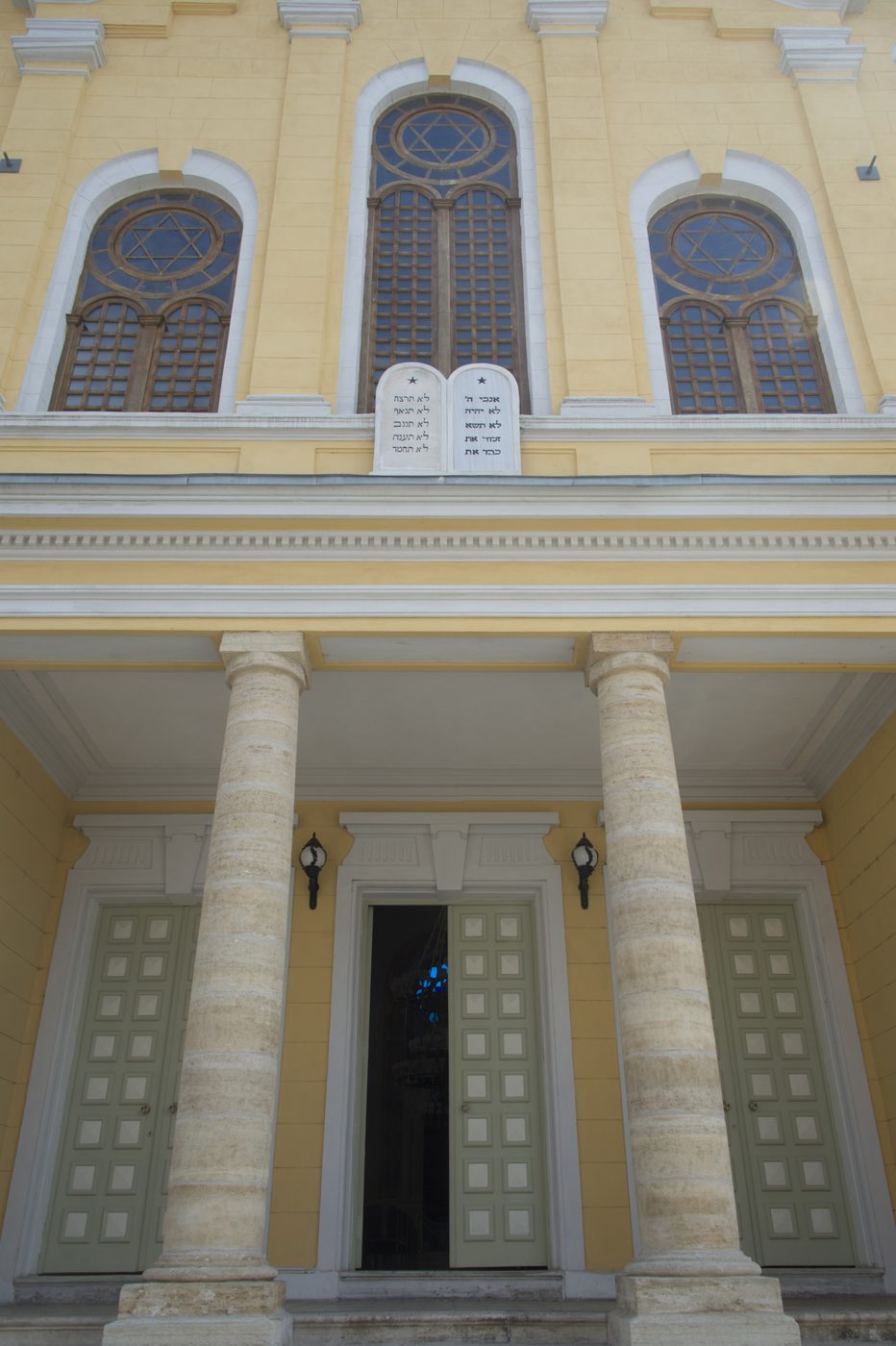
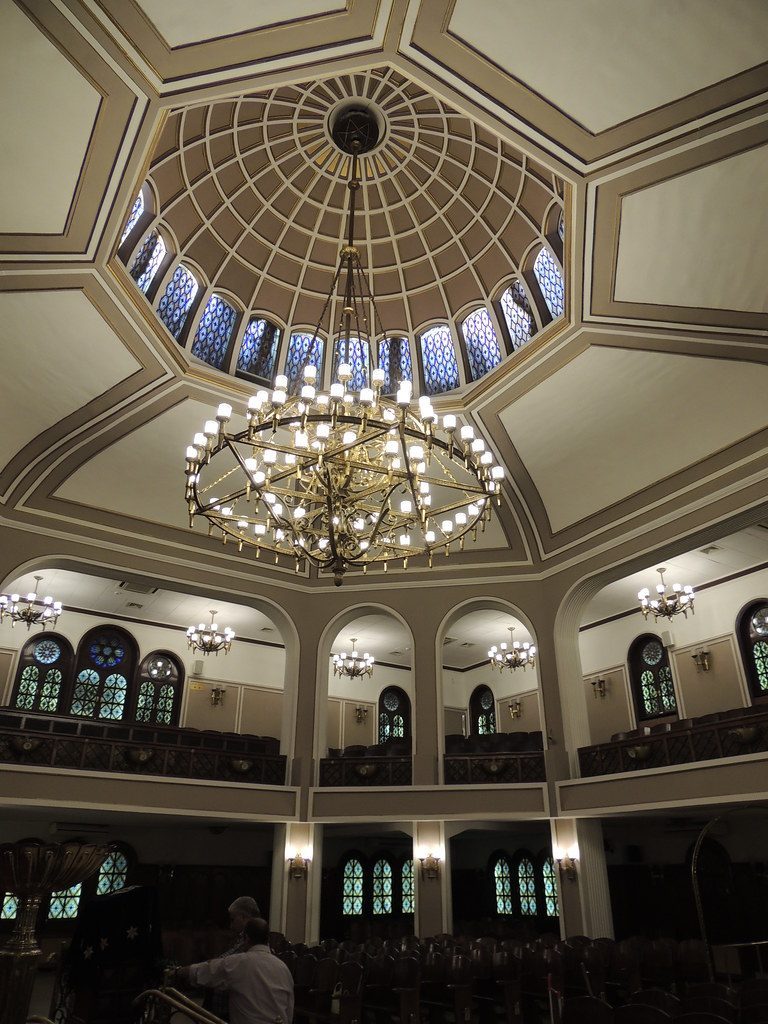
Maghain Aboth, completed in 1878, carried the community into the modern city and was later gazetted as a national monument in 1998. The Jews of Singapore Museum opened beside it in 2021, which means the site now teaches its own history as well as serving it.
Singapore’s Jewish community has always been small. That never mattered much. What mattered was that it kept building, keeping the doors open and staying visible in a city that appreciates a tidy line of continuity.
In Singapore, the numbers were small and the footprint was not. The shophouse became a history lesson.
Maghain Aboth and the museum beside it
Maghain Aboth Synagogue was completed in 1878, later declared a national monument in 1998, and became the neighbour of the Jews of Singapore Museum in 2021. Together they form the clearest public record of the community’s long stay.
Maghain Aboth / National Heritage BoardA port that learned a blessing
Singapore’s Jewish community has never been large, but it has been unmistakable. The city’s mercantile rhythm, its philanthropy and its sense of exactness all suit the Baghdadi inheritance that arrived there in the nineteenth century.
The shophouse and the shul are enough. The rest is upkeep.