Mizpah is not a place of triumph. It is a place of survival after disaster, a hill where a shattered people gathered for a little while before the story moved again. That smallness is part of its force.
The community is remembered because the Bible remembers it, and because Tell en-Nasbeh lets archaeologists stand on the same ground and say, yes, there really was a fortified hill town here.
A remnant at the edge
After the destruction of Jerusalem in 586 BCE, Mizpah briefly becomes a gathering point for the remnant left in the land. That makes it a town of administration, grief and impossible continuity.
The story is brief, but it matters because it shows that Jewish public life did not vanish all at once. It narrowed, regrouped and kept breathing.
The remnant at Mizpah
The biblical books of Jeremiah and Kings place a surviving Judean remnant at Mizpah after the fall of Jerusalem. It is one of the clearest textual witnesses to the first return of communal structure after catastrophe.
Hebrew Bible; biblical scholarshipTell en-Nasbeh
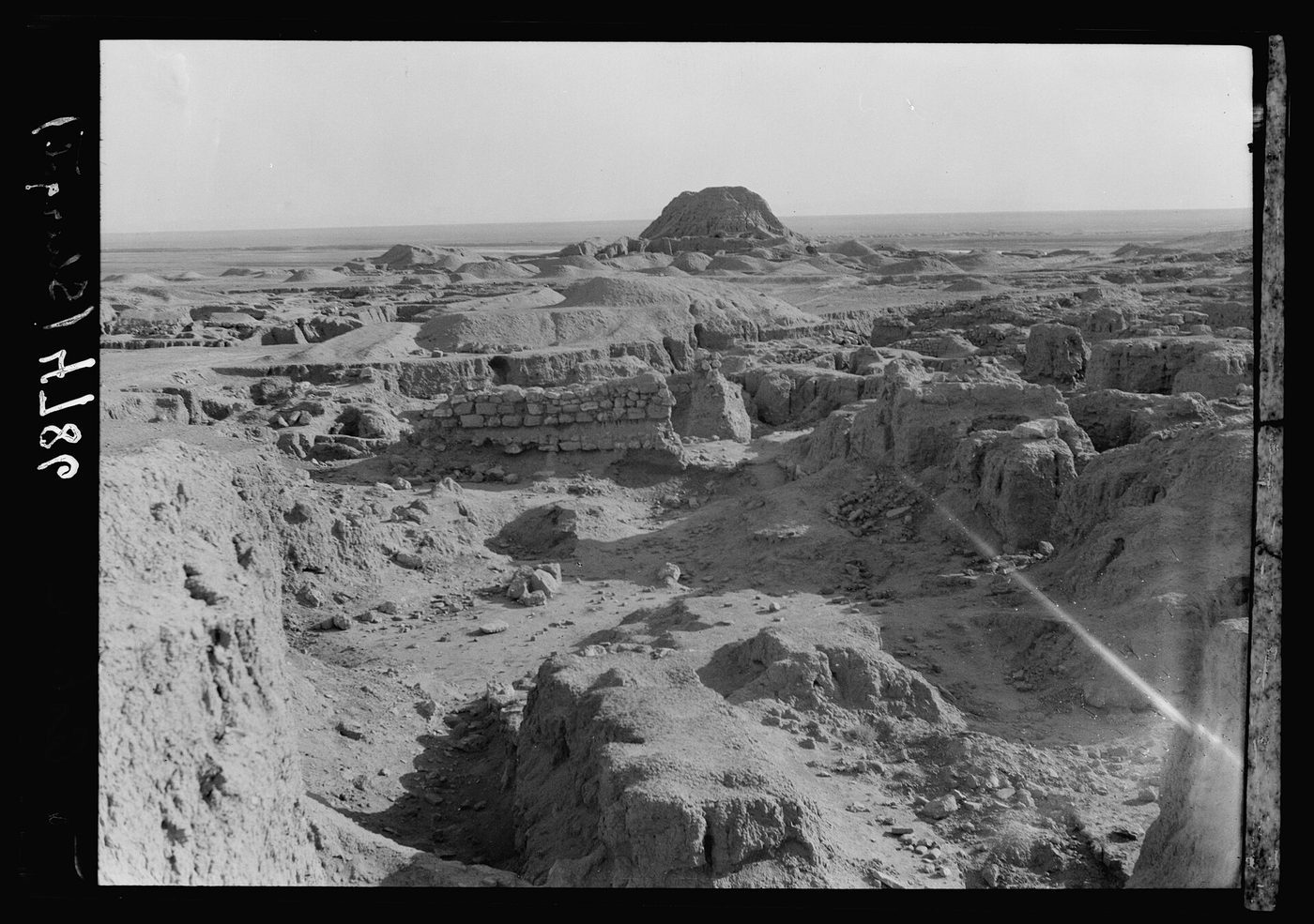
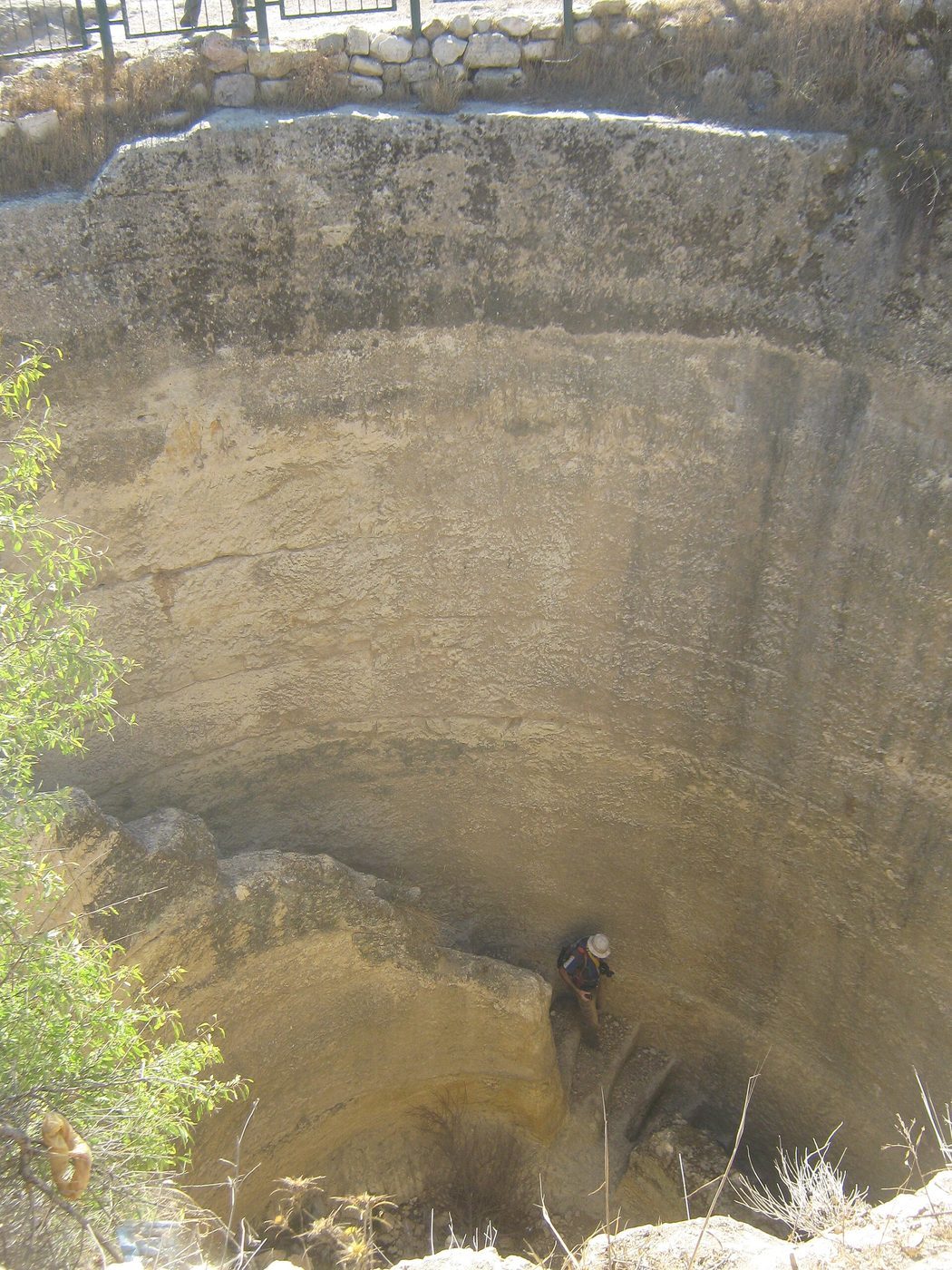
The mound identified with Mizpah, Tell en-Nasbeh, has been excavated and studied as an Iron Age site with fortifications and occupation layers that fit the biblical horizon. Archaeology cannot prove the whole story, but it keeps the place from drifting into allegory.
Mizpah is thus not just a verse. It is a ground plan for the moment when the remnant had to become a people again.
Tell en-Nasbeh excavations
Excavations at Tell en-Nasbeh, led by William F. Bade and later scholars, established the site as a major Iron Age hill town with a strong defensive profile. The excavated remains give material shape to the Mizpah of the biblical narratives.
Tell en-Nasbeh excavation reports; Hebrew University studiesWhy the hill matters
Mizpah matters because the remnant had to meet somewhere. A hill, a gate and a temporary centre were enough to keep the line from breaking.
That is all the lamp promises here: not grandeur, only enough ground to stand on.