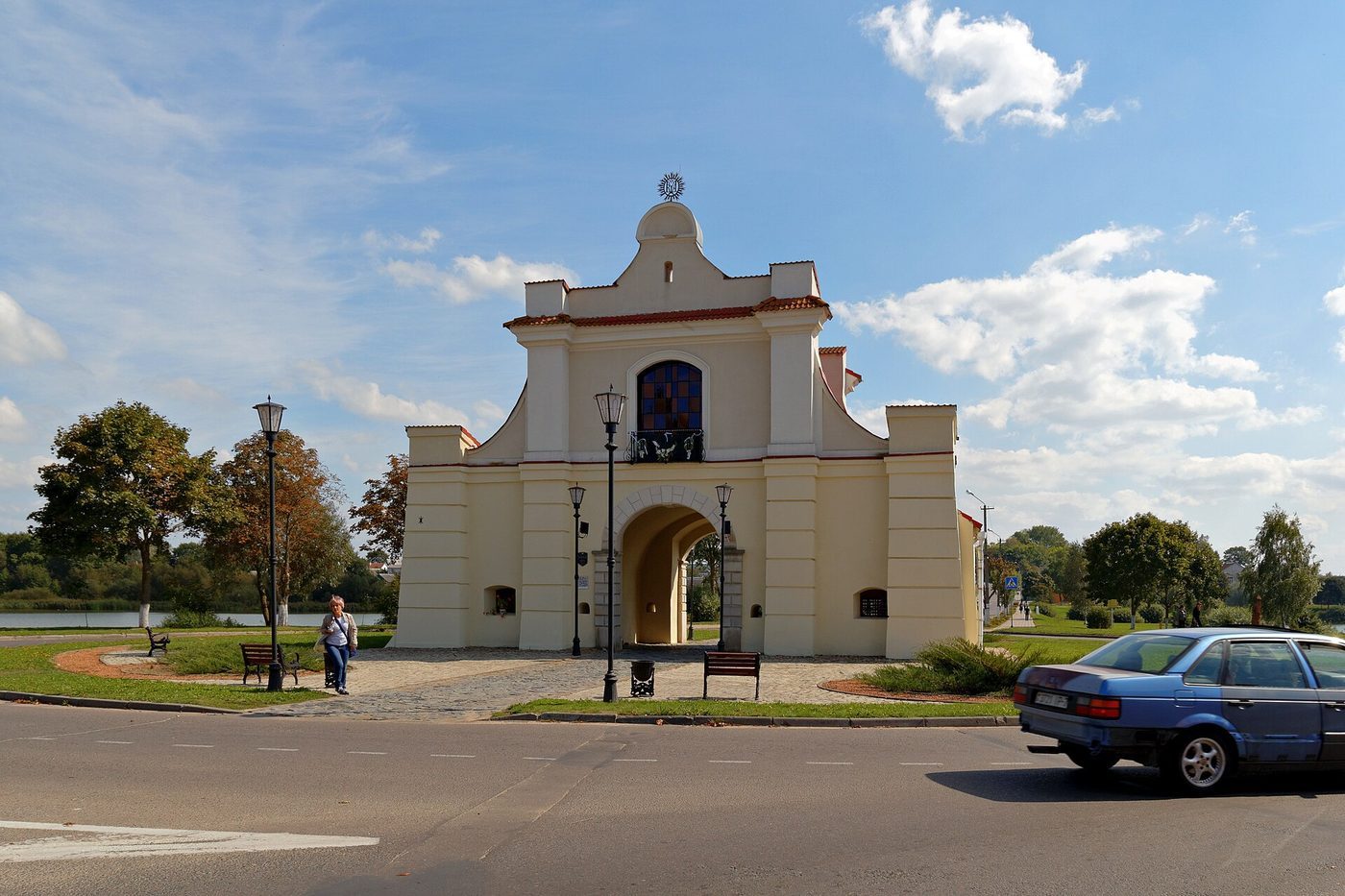
Mir is one of those names that sounds modest until you know what it carried. In 1815 a yeshiva began in the Belarusian town of Mir, and over time the school became one of the great engines of Lithuanian learning. Its alumni carried its method into places the founders could not have imagined.
That is the strange power of a strong school. It can outlast the building, the border and sometimes the entire world around it. Mir did all three.
A court of books
The Mir yeshiva was part of the great Lithuanian culture of text, argument and method. It did not advertise itself as romantic. It was exacting, public about its seriousness, and proud of the work. The town itself gave the school its first address, but the school gave the town a permanent afterlife in Jewish education.
When people speak of Mir they usually mean the institution, not the street map. That is fair, but incomplete. The school was born in Mir, and the town helped form the rhythm that made the yeshiva such a durable thing.
The yeshiva begins in Mir
The Mir yeshiva was founded in 1815 in the town of Mir, then in the Russian Empire. Later communal histories and yeshiva records treat that founding date as the start of one of the major Lithuanian centres of learning. A classroom became a lineage.
Mir Yeshiva history / YIVOShanghai kept the page open
The school’s defining survival came in the Second World War, when it escaped through Vilna and Siberia to Shanghai. That is one of the great Jewish rescues of the century. The yeshiva kept teaching through flight, and the movement of students and teachers became part of the institution’s identity.
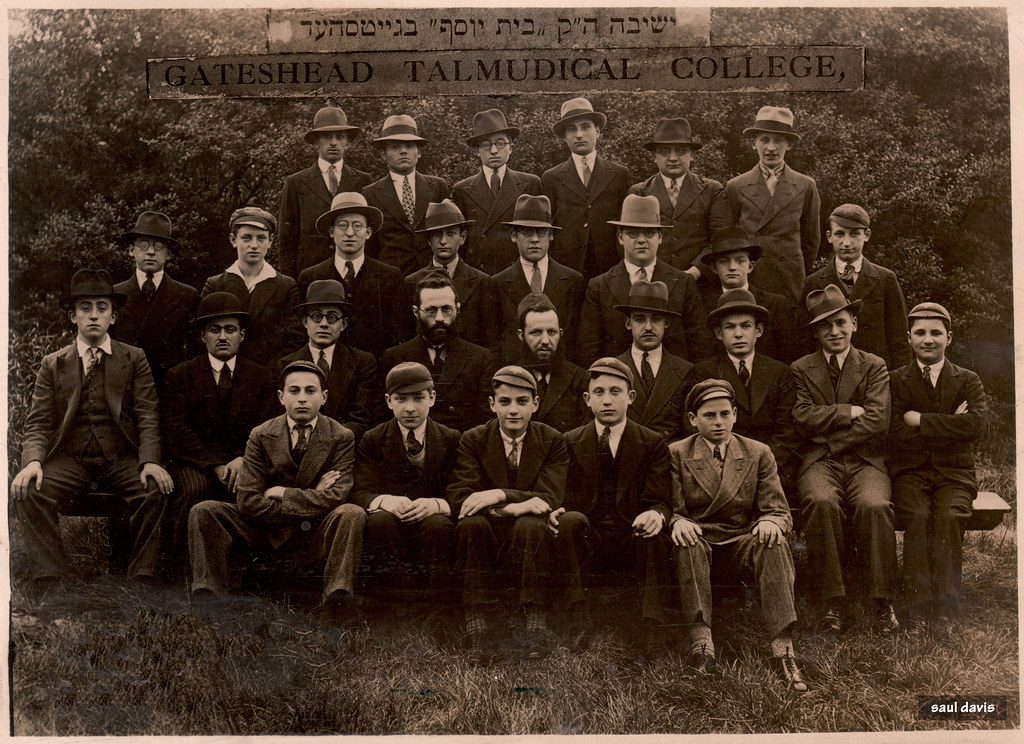
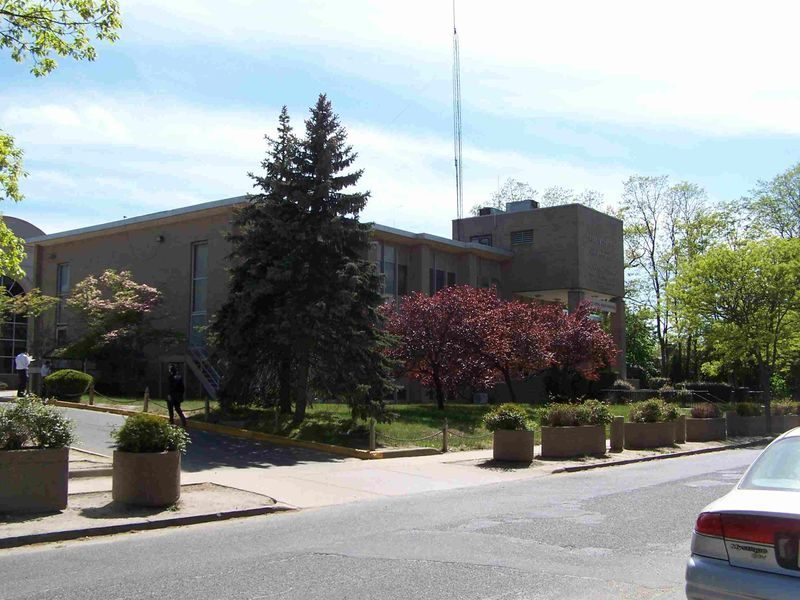
After the war, Mir re-established itself in Jerusalem and later in Brooklyn. The place changed; the method did not. In the line between old Belarus and new cities, the school kept the same insistence on the page.
The place changed; the method did not. kept teaching through flight
The Shanghai refuge
The Mir yeshiva evacuated east during the war and kept teaching in Shanghai, one of the few full yeshiva communities to survive the Holocaust by evacuation. The episode is documented in institutional histories and survivor accounts. Exile, but with attendance taken.
Yeshiva University; Mir Yeshiva archivesWhat remains
Mir belongs to the class of Jewish institutions that did not merely survive catastrophe but carried its own continuity across it. The town gave the school a beginning. The school gave the town a future it could not have had on its own.
That is enough to make a place legendary. Not because it was loud, but because it kept the page open when the century tried to slam it shut.