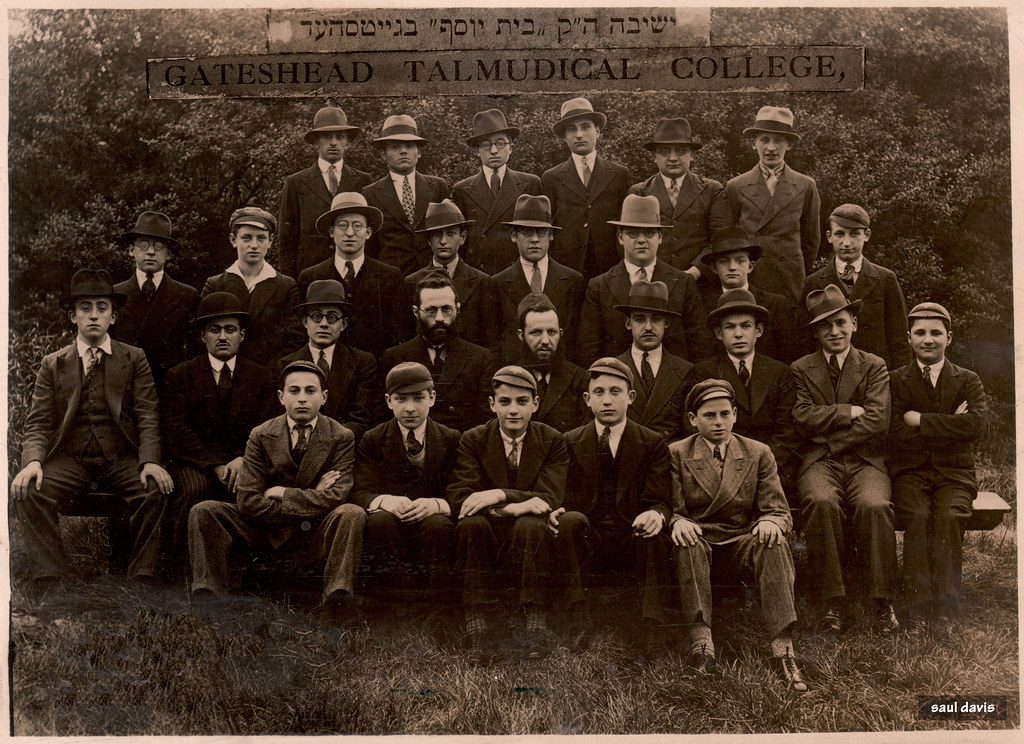
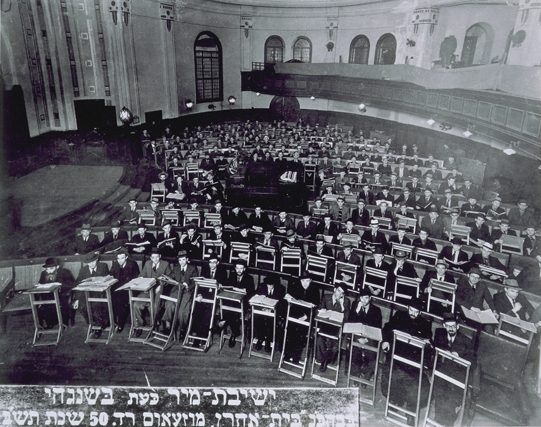
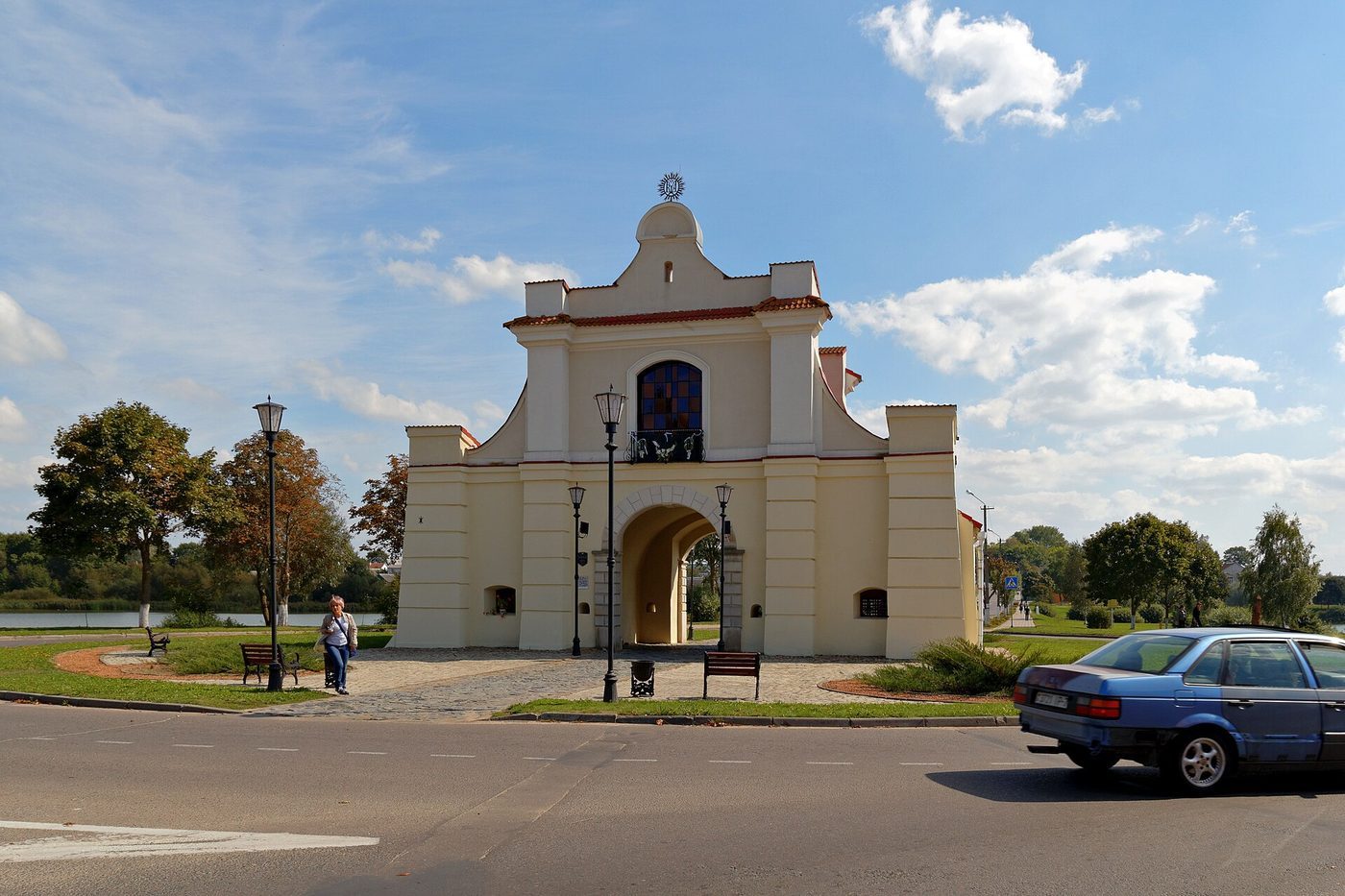
Lakewood is what happens when a yeshiva stops being a building and starts becoming a town. Beth Medrash Govoha arrived in 1943 as a small rescue of Lithuanian learning and kept expanding until the streets around it began to feel organised by the rhythms of study, prayer, carpools and buying lunch between sedarim.
The place is not picturesque in the old European sense. It is something more stubborn: a modern American suburb made legible by a seminary. The old resort town learned to speak in the grammar of chavrusa and kollel, and it never really stopped.
How the town took the yeshiva in
Beth Medrash Govoha began in White Plains in 1942 and moved to Lakewood the next year under Rabbi Aharon Kotler. The move was not cosmetic. Kotler wanted distance from New York, authority over curriculum, and a place where the old Lithuanian style could breathe again.
That bet paid off. The Lakewood of the postwar years was not yet the huge Orthodox capital it would become, but the institution gave the community a centre of gravity. The town learned to measure time by study cycles, wedding seasons and the long shadow of the beit midrash.
Beth Medrash Govoha opens in Lakewood
The institution reopened in Lakewood Township in 1943 with a small student body under Rabbi Aharon Kotler. Its own history describes the move as a direct continuation of prewar Lithuanian learning, transplanted to New Jersey before the old world finished burning.
Beth Medrash GovohaWhat a powerhouse looks like on the ground
By the twenty-first century, Lakewood was no longer a footnote in American Jewish geography. It was a centre with schools, kollelim, businesses and a public life shaped by the demands of serious Torah study. The vocabulary changed, but the discipline stayed old.
The community is often described in numbers, but the better measure is spatial: houses arranged for walking to shul, shops that understand the calendar, and a civic life built around the assumption that learning is not an extracurricular. It is the main thing.
Lakewood turned rescue into architecture. A town organised around learning became the learning itself.
Lakewood’s scale in the present
Beth Medrash Govoha’s 2024 figures put enrollment at well over nine thousand students, confirming that the institution remains one of the largest yeshivas in the world. Lakewood Township’s own growth records show how closely the town and the school have come to share a future.
College Navigator / Lakewood township estimatesA town with a spine
Lakewood is sometimes talked about as if it were only a demographic phenomenon. That misses the point. It is a story about a community deciding that the answer to ruin was not nostalgia but density: more learning, more houses, more schools, more ordinary life bent around the Torah.
On a weekday afternoon the buses move, the children spill out, and the bookrooms keep glowing. That is enough. The lake is not the argument. The study hall is.