Meknes became an imperial capital in the seventeenth century, and Jewish life there grew inside the new order. The mellah was not only a ghetto. It was a working urban district attached to power.
That distinction matters because Meknes was at once enclosed and central.
A royal city with two Jewish worlds
The community included toshavim, the older local Jewish population, and megorashim, the descendants of Iberian exiles. They kept separate synagogues and rabbinic courts for generations before everyday life began to blur the line.
Separate origins did not prevent shared streets.
Moulay Ismail makes Meknes his capital
Sultan Moulay Ismail turned Meknes into an imperial capital in the 1670s and enclosed the Jewish community in a mellah. By the eighteenth century that district had become one of the largest in Morocco.
Jewish Museum of Morocco; Encyclopaedia Judaica, "Meknes"The mellah as a city within a city
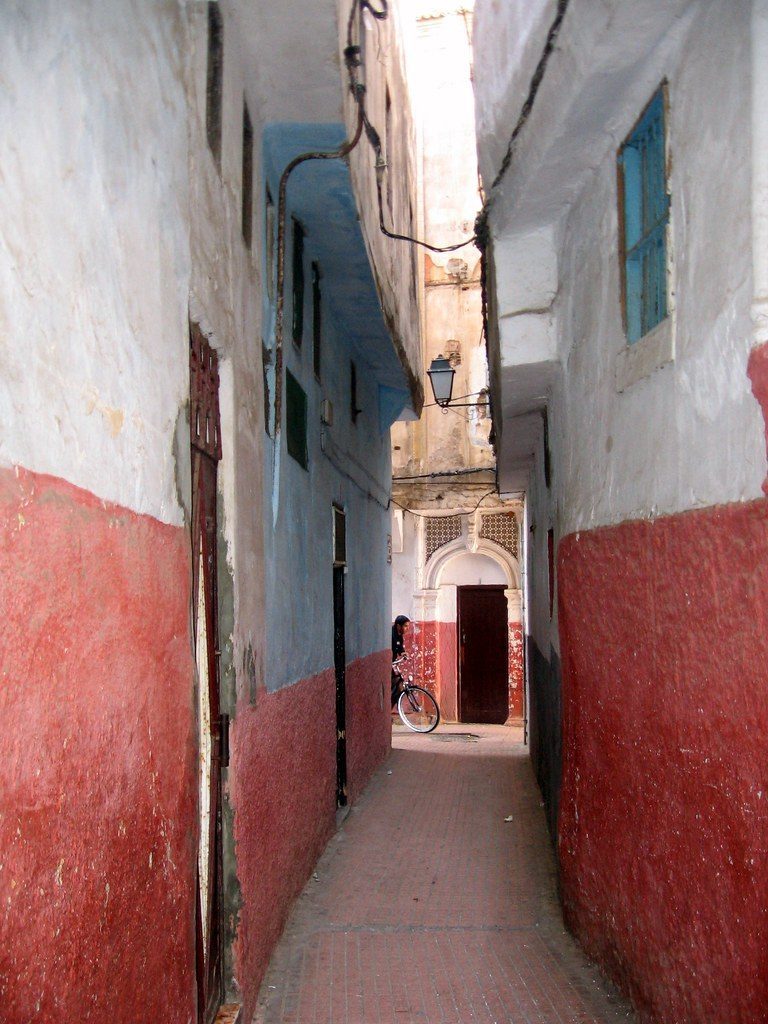
The Jewish quarter was large enough to sustain synagogues, courts, and a real social hierarchy. It was one of the Moroccan places where indigenous Jews and Sephardi newcomers had to learn how to live together in one urban frame.
The city made them neighbours before it made them the same.
Meknes also produced rabbinic scholars of real weight, including the Berdugo family, whose rulings carried authority well beyond the city walls.
Meknes built a capital and then made room for a Jewish city inside it.a Jewish city inside it
The Meknes mellah becomes one of Morocco’s largest
By the eighteenth century Meknes possessed one of the largest mellahs in Morocco and a dense network of synagogues and rabbinic institutions. The district became one of the clearest examples of a Moroccan Jewish quarter functioning as a city within the city.
Jewish Museum of Morocco; Haim Zafrani, Encyclopaedia of IslamCapital and quarter
Meknes shows how power and Jewish life can be made to share the same urban sentence.
The mellah was enclosed, but it was not marginal.