There is a town in the province of Córdoba where, for the better part of two centuries, a traveller arriving at the gates would have heard Hebrew in the market, seen the calendar turn on Jewish time, and found the courts run by Jewish judges applying Jewish law. Not a ghetto. Not a walled enclosure. A city. The Talmudic academies of Sura and Pumbedita sent responsa to Lucena as naturally as they sent them to Kairouan or Toledo, because Lucena had scholars who could argue back. The Arabic geographers called it al-Yāhūdiyya - "the Jews' city" - and the name stuck because it was simply accurate.
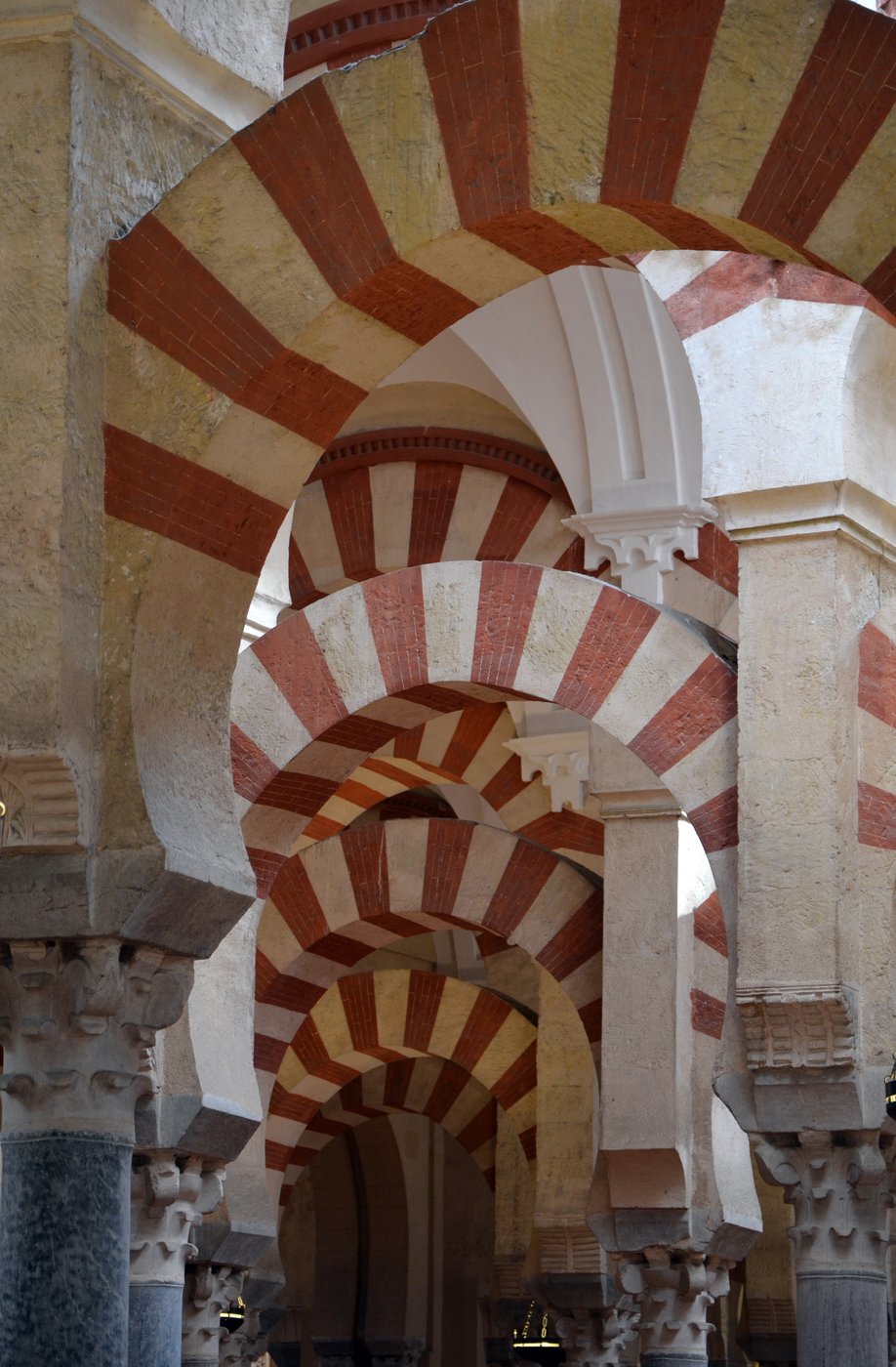
The story of Lucena sits inside the larger marvel of al-Andalus, but it is not reducible to it. The Umayyad caliphate of Córdoba was a world of layered convivencia - a word later romanticised, but still pointing at something real: the legal and cultural space that allowed a non-Muslim community to sustain its own institutions under Islamic rule. What Lucena shows is how far that space could stretch when a community had the numbers, the wealth, and the intellectual weight to fill it. The town was not merely tolerated. It was, within the terms the age permitted, self-governing. That is a different thing.
The record
The tenth-century Arab geographer al-Muqaddasi, writing in his Ahsan al-Taqasim fi Ma'rifat al-Aqalim (c. 985 CE), described Lucena as a town whose population was predominantly Jewish. Later Arabic sources, including Ibn Hawqal's Surat al-Ard, corroborate the picture of Lucena as a town with a distinct Jewish character, prosperous in agriculture and commerce. Medieval Jewish legal sources - including responsa attributed to Isaac ibn Ghiyyat (1038-1089), who served as head of the Lucena academy - confirm the academy's authority across al-Andalus and beyond.
What made Lucena more than a curiosity was its academy. By the tenth and eleventh centuries it had become one of the great centres of Talmudic learning in the western world. When the Babylonian academies of Sura and Pumbedita declined in the wake of the Abbasid political upheavals, the intellectual weight did not simply dissipate - it migrated, and a significant portion of it landed in Lucena. The scholars there were not borrowers of a tradition. They were its custodians and, often enough, its developers. Isaac ibn Ghiyyat, Isaac Alfasi (who taught there before his forced exile to Morocco), and later the young Judah Halevi, who studied at Lucena before he became the poet of longing for Zion - all of them passed through or were formed by that Andalusian town. Lucena trained minds the Jewish world would not stop quoting.
The record
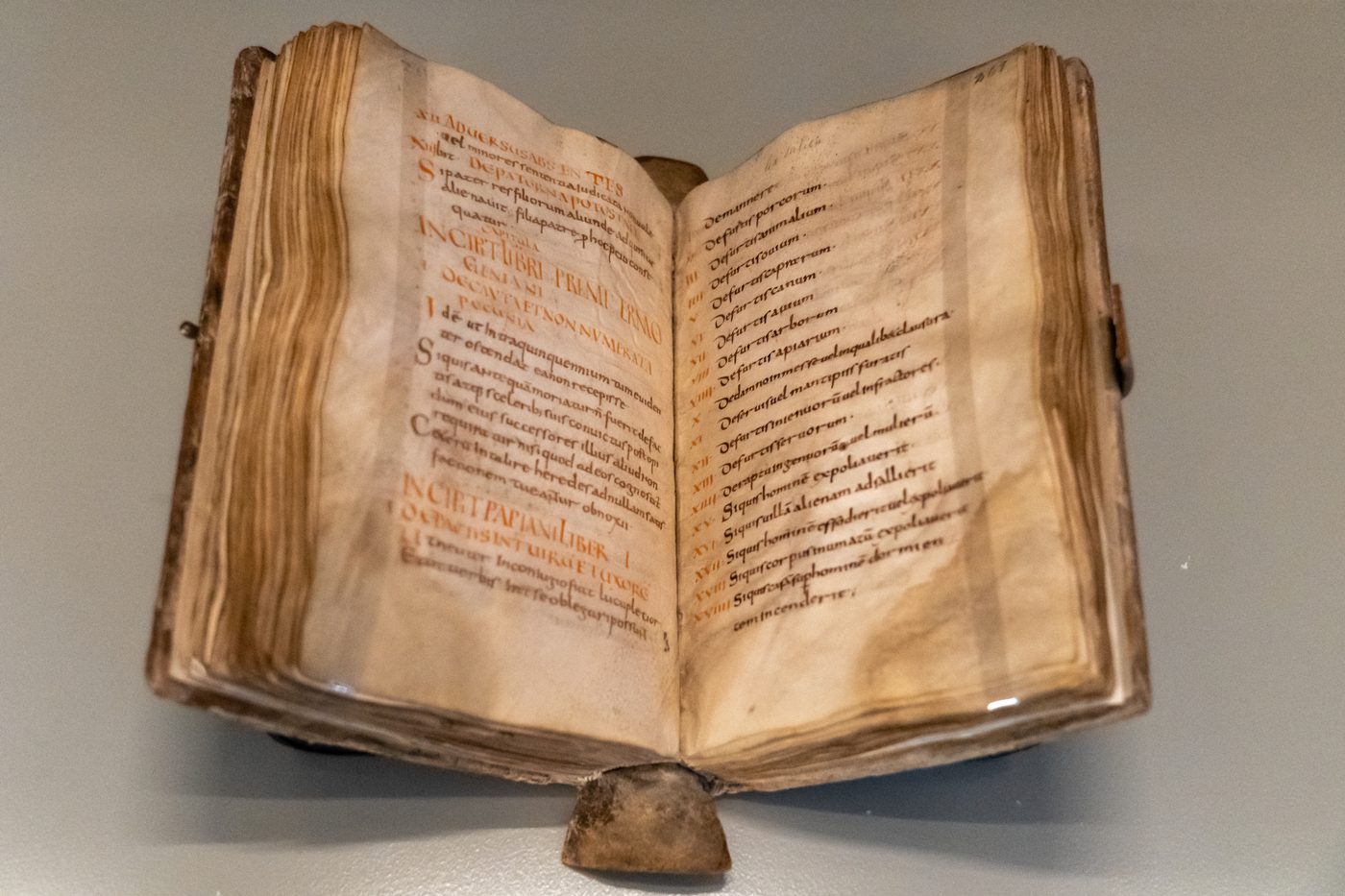
Isaac ben Jacob Alfasi (1013-1103), known as the Rif, led the Lucena academy and produced the Sefer HaHalachot - a systematic digest of the Babylonian Talmud that remained one of the foundational codes of Jewish law. The work is cited by Maimonides and Joseph Karo and remains in active scholarly use. Alfasi fled to Morocco in 1088 following a denunciation to the Almoravid authorities and died in Fez; the episode illustrates both the reach of Lucena's scholars and the limits of its protected status. His biography is documented by his student Joseph ibn Migash and by later chroniclers, and his legal code is held in collections at the Jewish Theological Seminary and the British Library, among others.
The end, when it came, arrived with the Almohads rather than the Almoravids - a reform movement that had little patience for the Jewish autonomy the caliphate had permitted. By the mid-twelfth century, Lucena's Jewish character was extinguished, its community expelled or converted under duress, its academy scattered. But a community that produced Alfasi, sheltered Halevi, and sustained two centuries of self-governing Jewish life in an Islamic caliphate does not merely illustrate tolerance. It demonstrates what the tribe is capable of when given room. The room was eventually taken away. What was built inside it could not be unmade.
Lucena does not demand to be read as a golden age - that reading always flatters the survivors and flattens the complexity. What it earns, honestly, is recognition as a proof of concept. A Jewish community, given civic space and legal protection, will build academies, train jurists, produce poets, and argue about the Talmud until the neighbours come calling. That is not an accident of that particular century in that particular Andalusian valley. It is the tribe's characteristic response to any opening.