Hazor sits above the Galilee like a sealed signet, looking out over the routes that pull south from Syria and west from the highlands. It was never a sleepy village with a bigger-than-expected wall. It was a city that knew how to count, how to command and how to burn - and the burn marks still matter.
The Bible gives Hazor one of its cleanest lines. It is the "head of all those kingdoms", the northern name that gathers a whole frontier into one place. Archaeology is less dramatic in its grammar, but more useful. It shows a settlement with long memory: a Bronze Age centre tied into wide trade networks, then an Iron Age city rebuilt on top of ruin, then an Assyrian ending, then a modern excavation field where every season finds another piece of the argument.
A city of routes and records
Hazor's first greatness belonged to the Middle and Late Bronze Ages, when the tell was plugged into the traffic of the eastern Mediterranean and the inland Levant. Mari letters mention it. Cuneiform tablets from the site show that its rulers and scribes moved in the same written world as their Syrian and Mesopotamian neighbours. This was not a backwater waiting for a biblical cameo. It was already a player.
That is why the site keeps yielding the kind of finds that make archaeologists sit down properly. A city with archives leaves language behind. A city on a trade road leaves weights, seals and imported habits. A city that rules the north leaves a memory that survives even when the walls do not.
Biblical Tels, World Heritage
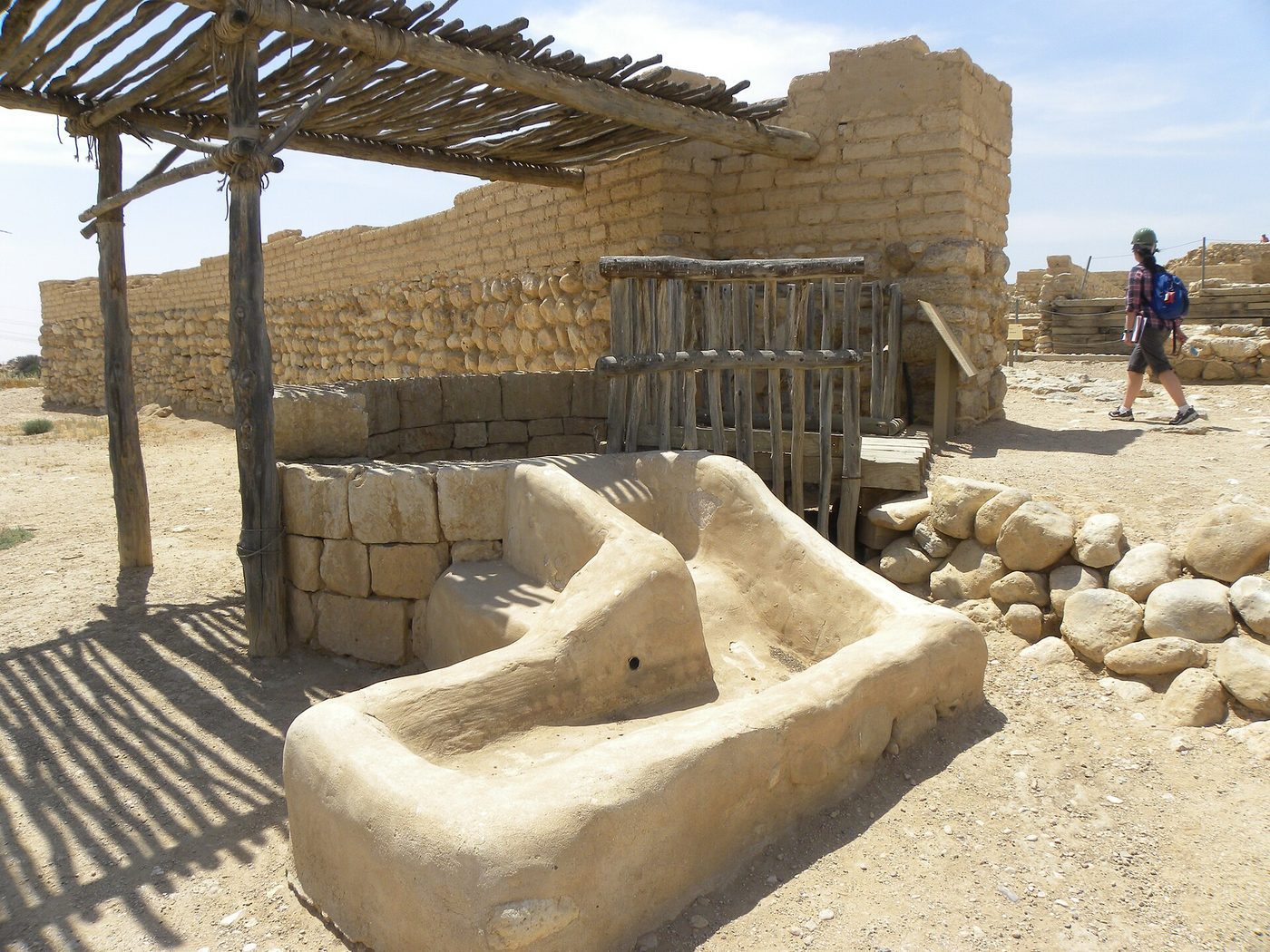
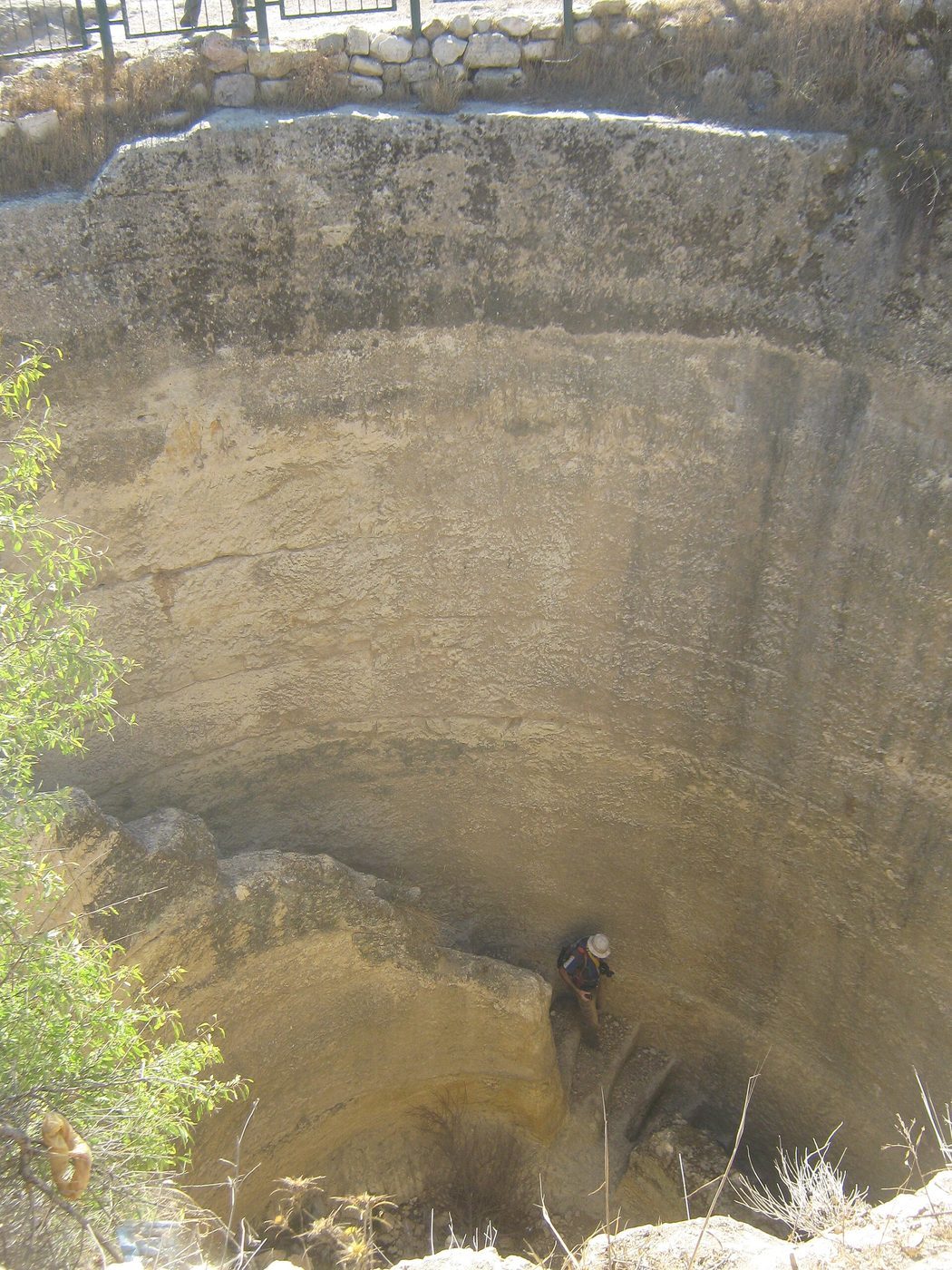
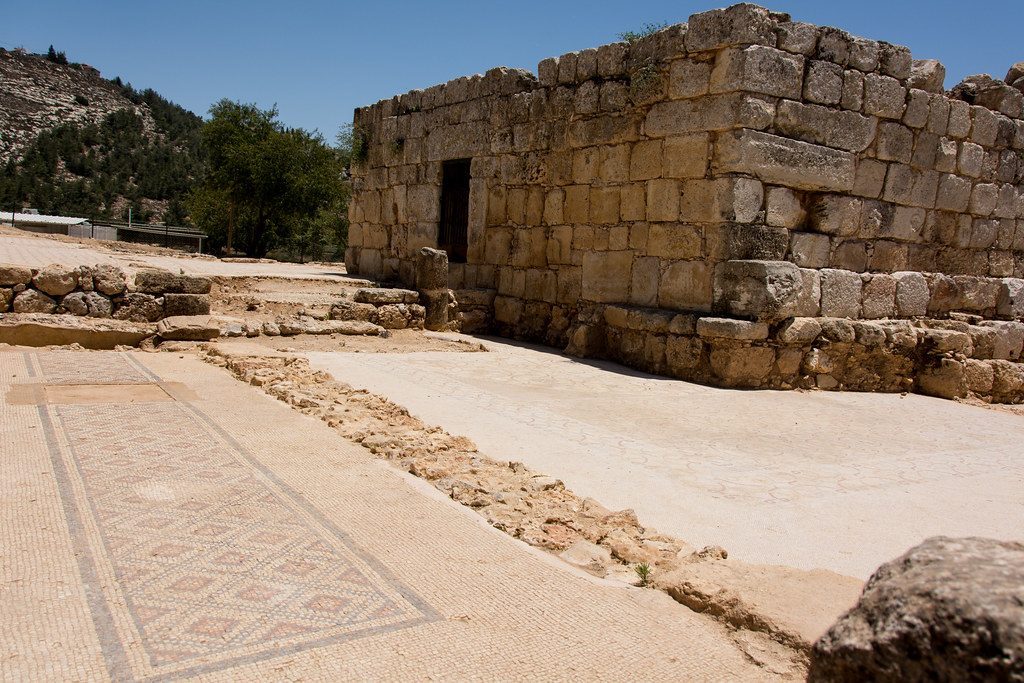
In 2005, Hazor was inscribed with Megiddo and Beer Sheba as one of the Biblical Tells on UNESCO's World Heritage List. UNESCO's description singles out the site's Iron Age water-collecting systems and its relation to central authority, prosperous agriculture and trade routes. The site is not just old. It is old in the right direction.
UNESCO World Heritage CentreFire and rebuilding
Then came the burn. Hazor's destruction level in the late second millennium BCE has been argued over for decades, because the city was large enough to matter and the fire was complete enough to leave a puzzle. Joshua gets the story in one verse. Excavators get it in ash, broken walls and the hard question of whether the ending came from an Israelite assault, regional collapse or both.
What followed was not empty silence. The Iron Age city rose again, with a six-chambered gate, administrative buildings and fortifications that tied Hazor back into the northern kingdom's power structure. Whether those works belong to Solomon's century or to the Omride age, they announce the same fact: Hazor was worth fortifying. People do not spend this kind of masonry on places that have stopped mattering.
Yigael Yadin's first Hazor seasons
The modern excavation project began in 1955 under Yigael Yadin and ran through 1958, with a later season in 1968. Those digs made Hazor one of the flagship sites of Israeli archaeology and produced the classic publication set that fixed the site's modern reputation. A mound can survive for millennia; a field season can still change the country's self-image in one summer.
Yadin, Excavations at HazorThere is a reason the site keeps pulling scholars back. Hazor is not just a place where a city stood. It is a place where several histories overlap without fully agreeing. Bronze Age diplomacy, Iron Age fortification, biblical memory and modern excavation all sit on the same terraces. The result is not confusion. It is density.
And then there are the tablets. Hazor has given up more cuneiform texts than any other site in the southern Levant. That is the sort of fact that changes how a mound feels underfoot. You are not standing on a hill. You are standing on a filing cabinet that someone burnt and buried.
Fragments of a Cuneiform Law Collection
In 2010, excavators at Hazor uncovered two fragments from the same Old Babylonian tablet. Published in 2012, the text was read as a law collection with parallels to Hammurabi, Eshnunna and Hittite legal traditions, the first such tablet from Israel. Hazor was not only receiving goods and armies. It was receiving legal culture too.
Israel Exploration Journal 62What survives
Hazor survives in layers, which is the proper way for it to survive. A trade city. A royal city. A burnt city. A debated city. A UNESCO city. The present mound carries all of them at once, and the day-walk among the stones is better for the argument, not worse. If you want a place that can hold both scripture and stratigraphy without flinching, this is a strong candidate.
The north is still there. The roads are still there. The tell still throws its shadow across the plain, and the shadow is long enough to catch the mind before the feet do. That is Hazor's best trick. It does not ask to be believed first. It asks to be looked at. Then it makes its case, quietly, with bricks.