Ein Gedi is what happens when an oasis refuses to be only scenery. The place sat beside the Dead Sea and kept Jewish life alive in the wilderness, first as settlement and later as memory layered into caves and synagogue stones.
It is one of the rare places where the landscape explains the community almost as well as the community explains the landscape.
A synagogue at the edge
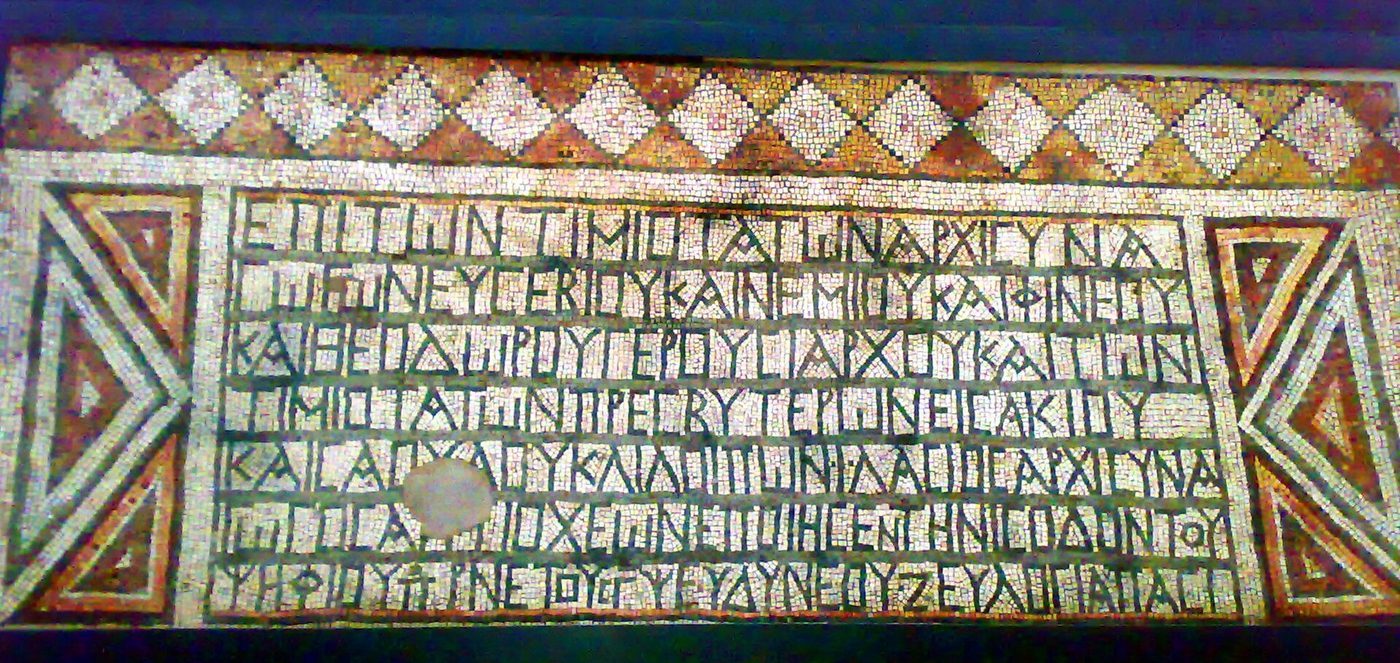
The late antique synagogue at Ein Gedi gave the oasis a formal Jewish public space, with the kind of communal layout that says a place has become more than a camp. Its remains are one of the strongest material witnesses to Jewish life by the Dead Sea.
The site also carries the wider memory of the Judaean wilderness, where caves, paths and hidden communities have long been part of the story.
The Ein Gedi synagogue
The synagogue at Ein Gedi dates to the late Roman and Byzantine period and is known for its mosaic floor and ritual inscription. The site is a major archaeological witness to settled Jewish life at the edge of the Dead Sea.
Israel Antiquities Authority; museum and excavation reportsCaves, inscriptions and ruin
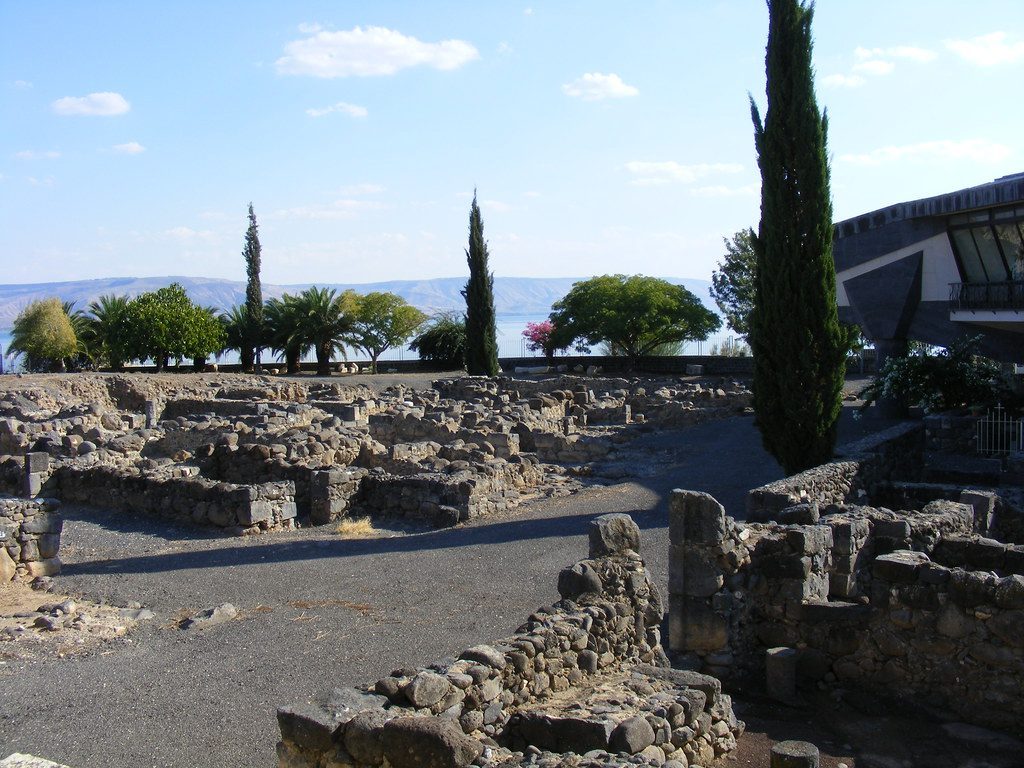
Ein Gedi also appears in the record through the caves and wilderness features around it. The place has never been only about one building; it is a whole set of thresholds between hidden and visible life.
That is why it feels so long-lived. The oasis keeps arriving in the sources like a recurring gift.
Wilderness caves and late antique remains
Archaeological work at Ein Gedi has exposed caves, settlement layers and later synagogue material that place the oasis inside the lived Jewish geography of the Dead Sea. The material record keeps the biblical and late antique place-name connected to the ground.
Israel Antiquities Authority; National Library of IsraelWhy Ein Gedi endures
Ein Gedi matters because an oasis lets a people remain visible in a hard landscape. The spring is the argument.
Water made the lamp possible. The people made it Jewish.