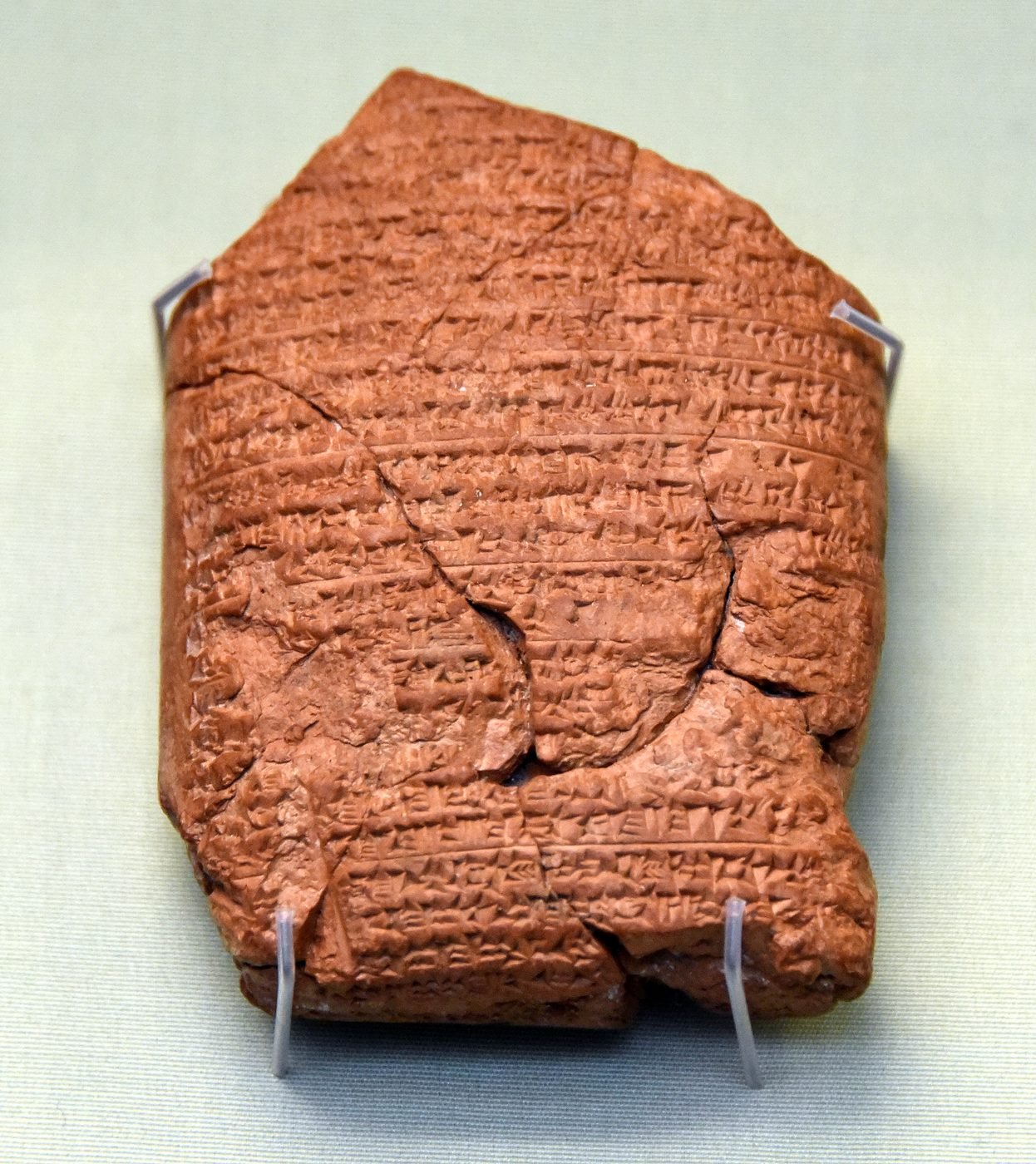
The door opens. That is the part the story always tells. In the first year of Cyrus king of Persia - 538 BCE, almost exactly fifty years after Nebuchadnezzar had torn Jerusalem apart and marched the survivors east - a decree went out. The exiles could go home. They could rebuild the Temple. They could return. The decree is in Ezra 1:2-4; a Babylonian version of the same policy is carved on the clay barrel now in the British Museum. The policy was real. The door was open.
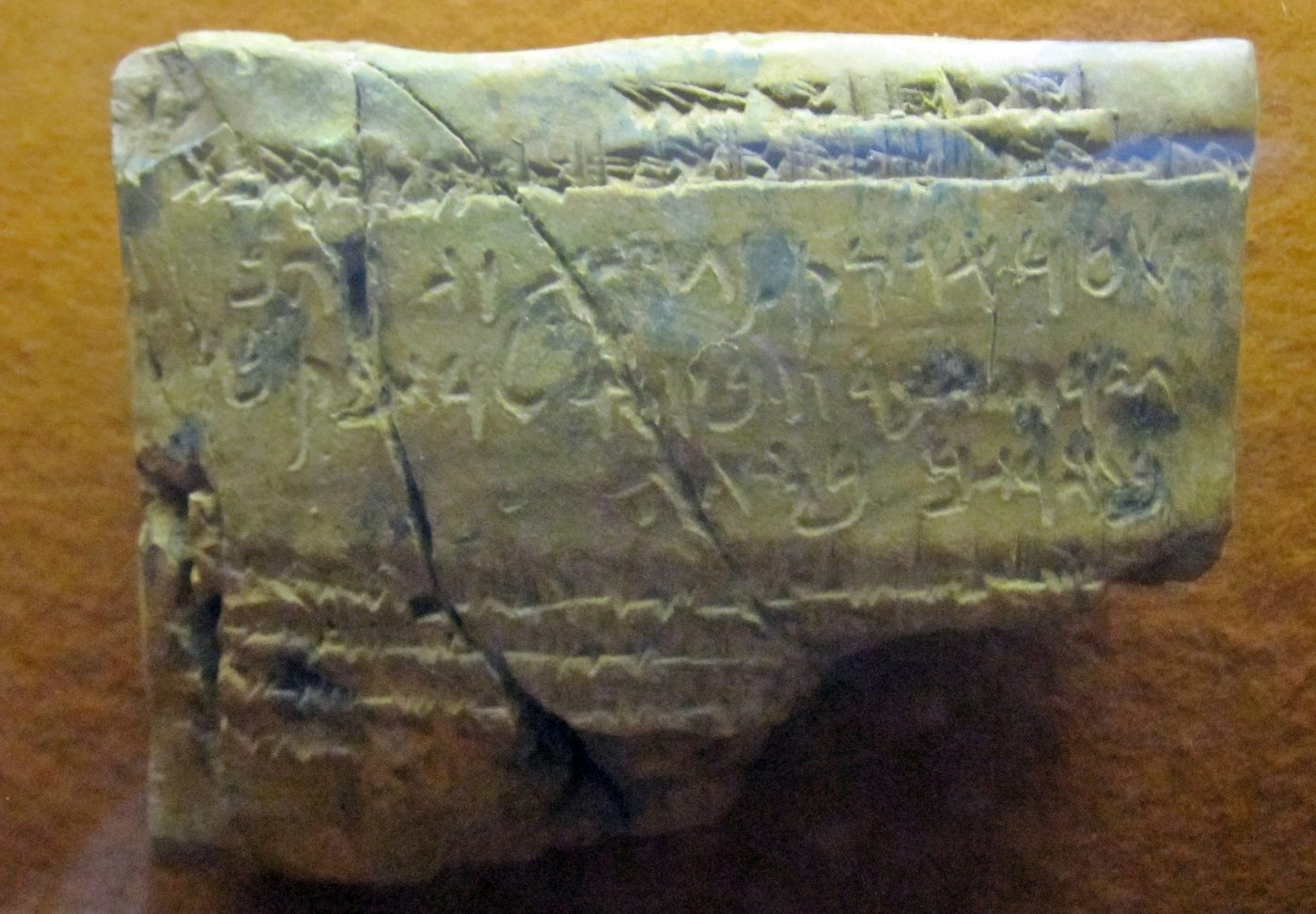
And most people did not walk through it. Babylon was not a temporary camp. Two generations had been born there. There were houses, businesses, vineyards - we know this because the archive of the Murashu firm, excavated at Nippur and now held partly at the University of Pennsylvania Museum of Archaeology and Anthropology, shows Jewish families operating as creditors, landholders, and merchants in the Babylonian economy of the fifth century BCE. These were not people waiting for a boat. They had built something. When Cyrus opened the door, most of them looked at what they had built, looked at the door, and stayed.
The record
The Murashu archive, a collection of approximately 730 cuneiform tablets discovered at ancient Nippur (modern Nuffar, Iraq) and dated to the reigns of Artaxerxes I and Darius II (c. 454-404 BCE), records the commercial activities of a Babylonian banking and land-management firm. Scattered through the archive are the names of clients and agents - hundreds of them are recognisably Jewish: Gedaliah, Hananiah, Menahem, Shabbetai. The tablets show these families owning land, holding debt instruments, and operating as fully integrated members of the Babylonian provincial economy. The archive is held primarily at the University of Pennsylvania Museum of Archaeology and Anthropology (Philadelphia), with a portion at the Istanbul Archaeological Museums. Scholarly edition: Matthew Stolper, Entrepreneurs and Empire (1985).
The Hebrew Bible tells us roughly 42,360 people made the first journey back, led by Zerubbabel son of Shealtiel and the high priest Jeshua - a number given in Ezra 2 and repeated almost identically in Nehemiah 7. Scholars debate the figure's precision, but even if it is approximately right, it is not large. The Babylonian exile had involved multiple deportations over several decades; the Jewish community in Babylon by 538 BCE numbered in the tens of thousands at a minimum, possibly considerably more. The returnees were a committed minority, not a mass movement. The ones who stayed were not slackers or apostates. They were people who had made their home where history had placed them, and who understood - accurately, as it turned out - that the exile community was not going to disappear. It was going to become something else.
What it became was the seed of the Babylonian diaspora - which would outlast every political configuration of the next two millennia and eventually produce, between the third and sixth centuries CE, the Babylonian Talmud. The community that stayed in Babylon in 538 BCE bequeathed to Jewish civilisation the single most influential document in its history after the Hebrew Bible itself. They did not know that was what they were doing. They knew they had a life, a community, a language, and a reasonable argument that God could be found somewhere other than the ruins of Jerusalem.
The record
Ezra 2:64-65 gives the total of returning exiles as 42,360 people, plus 7,337 servants and 200 singers. Nehemiah 7:66-67 gives a nearly identical figure (42,360) with minor variations in the tribe-by-tribe breakdown. Scholars including Joseph Blenkinsopp (Ezra-Nehemiah: A Commentary, Westminster John Knox Press, 1988) note that the figures for the individual clans do not sum to the stated total, suggesting the numbers draw on multiple sources and should be read as indicative rather than precise census data. The point that survives the arithmetic: the returning group was a fraction of the total Babylonian exile community. A majority remained in Mesopotamia. The Babylonian exile community continued to exist, grow, and flourish under Persian, Hellenistic, Parthian, and Sasanian rule for over a thousand years.
There is a question worth sitting with before moving on. Is the choice to stay a failure of faith, a failure of nerve, a betrayal of the ancestral land? The books of Ezra and Nehemiah, written from the perspective of the returnees, carry real tension with the communities who stayed and with the people already living in the land. But the tradition, characteristically, refused to write the stay-behinds out of Jewish history. The Babylonian Talmud - produced by precisely the community descended from those who chose not to return - became authoritative over the Jerusalem Talmud. The great academies of Sura and Pumbedita, which operated in Babylonia for centuries after the destruction of the Second Temple, taught the law to the entire Jewish world. The people who shut the door on Cyrus's offer ended up teaching their children's children's children how to be Jewish in exile - which turned out to be one of the most important things anyone ever taught.
The real meaning of 538 BCE is not just the return. It is the fork. Judaism had already survived exile by becoming portable - prayer for Temple, Shabbat for holy time, Torah for holy text. When the door opened, the community divided: some went back to rebuild the institution, others stayed to prove that the portable version was permanent. Both were right. Both were necessary. The tradition we have today is the product of that unresolved argument, still running.