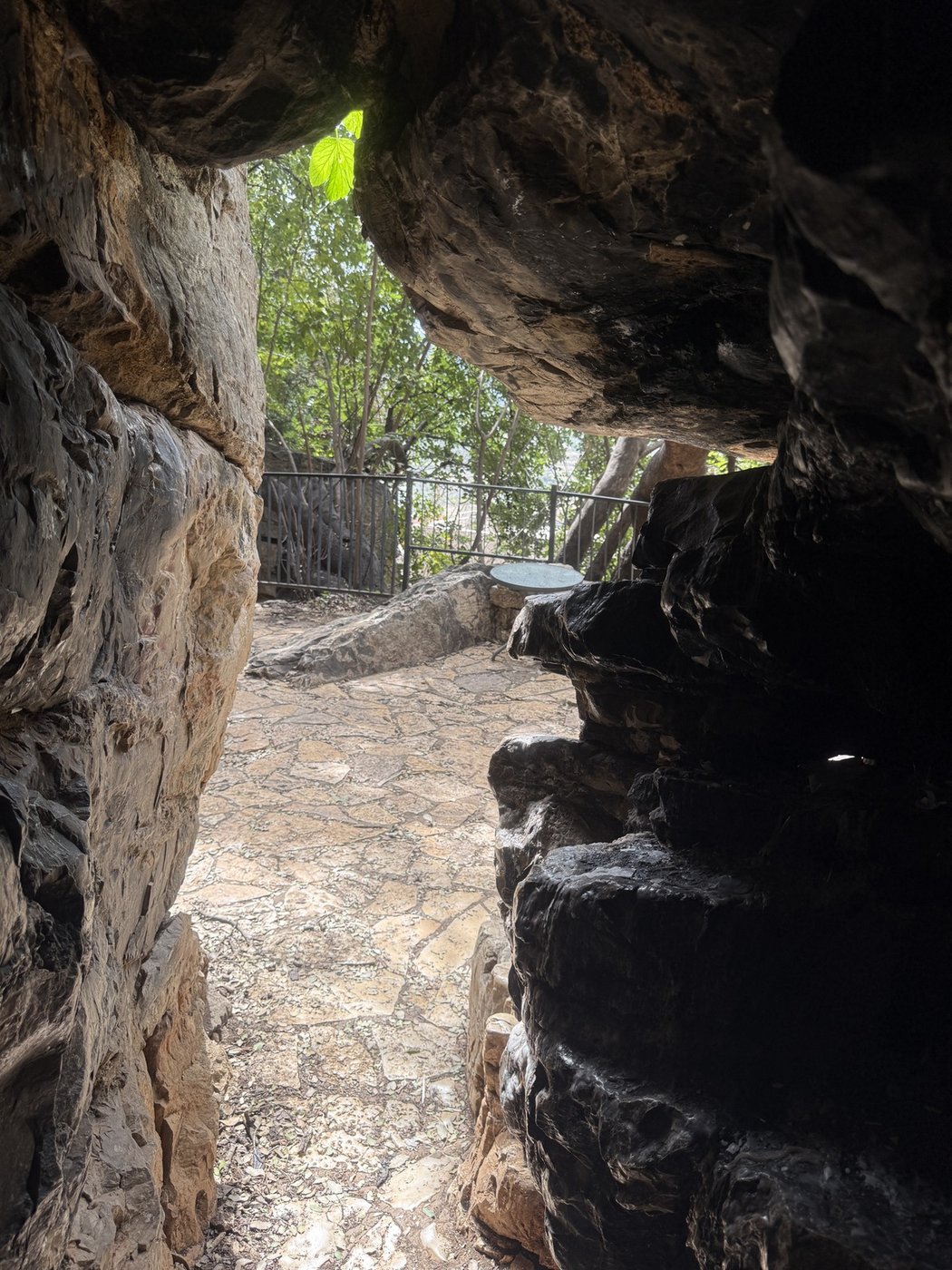
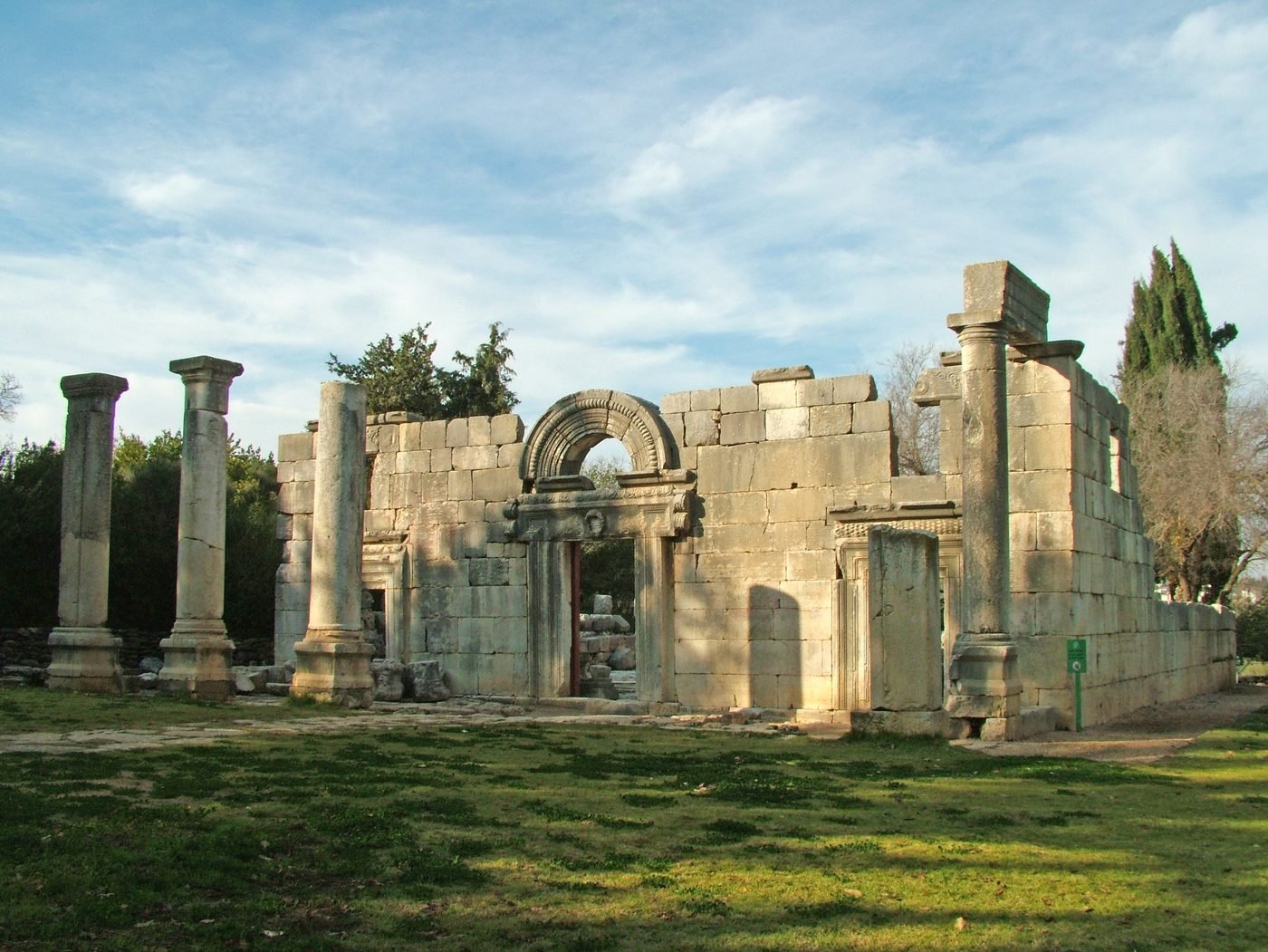
Beth She'arim looks modest above ground. Underground it becomes a different country. Catacombs cut into the limestone, inscriptions in several languages, and a burial landscape that tied rabbinic Galilee to the wider Jewish world made the site feel larger than its ridge.
The key moment came when Rabbi Judah the Prince, compiler of the Mishnah, was buried here around 220 CE. After that, Beth She'arim was never just a village again.
A place for learned bones
The site's fame rests on burial, but not burial alone. It became a place where families from across the Mediterranean wanted their dead to rest near the great rabbi. The catacombs hold Greek, Aramaic and Hebrew inscriptions, the language mix of a diaspora that had learned to recognise its own centre.
Beth She'arim therefore gives the Galilee a paradoxical grandeur. It is not a capital. It is a graveyard. Yet the place became one of the strongest statements of rabbinic self-understanding ever cut into stone.
The Mishnah enters the earth
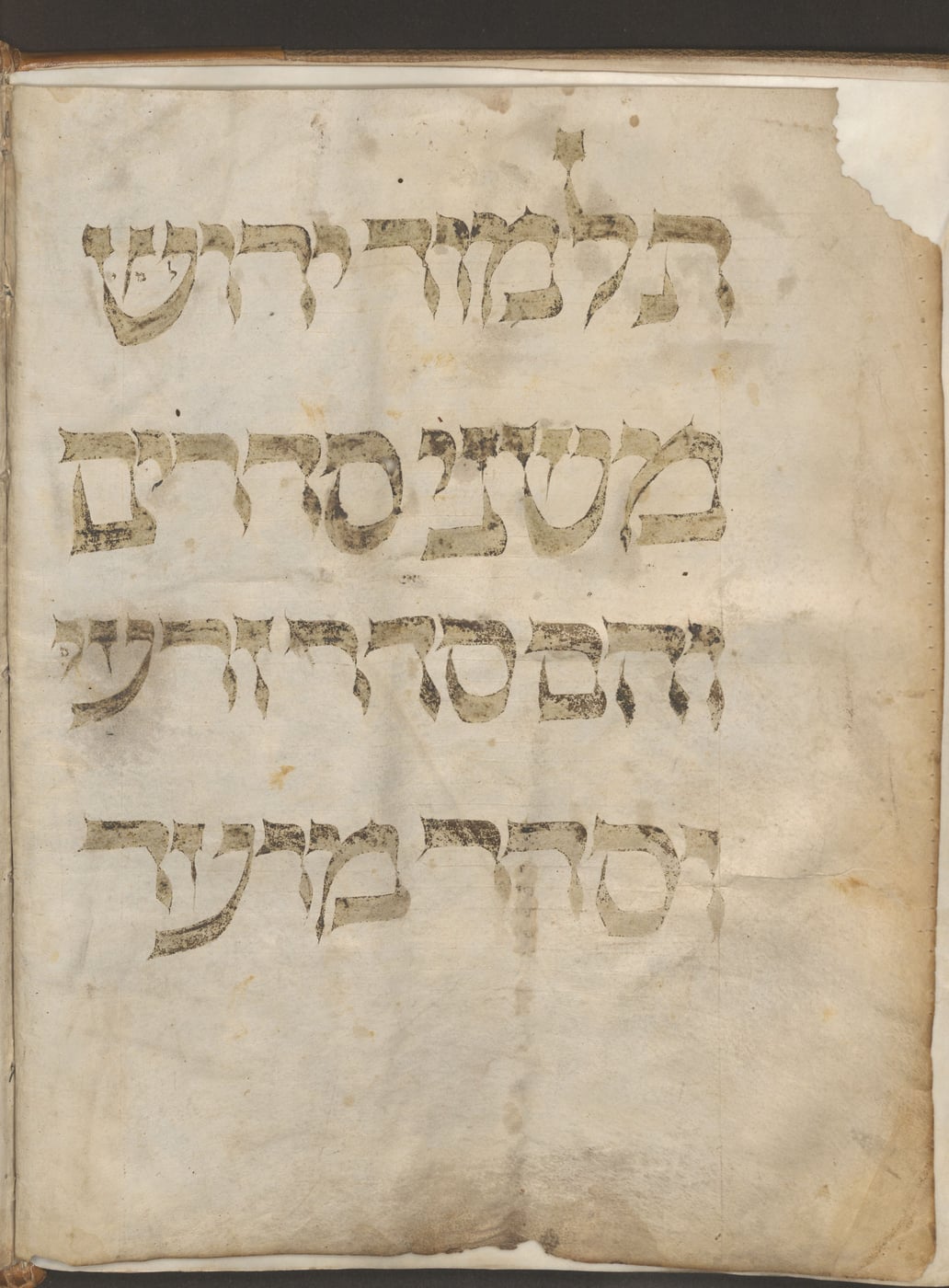
Rabbi Judah the Prince, associated with the redaction of the Mishnah, was buried at Beth She'arim around 220 CE. The Israel Nature and Parks Authority treats that burial as the turning point in the site's history. Once the Mishnah's editor was laid here, Beth She'arim became the burial address of a whole learned world.
Israel Nature and Parks AuthorityInscriptions that travel
The inscriptions matter because they name places far from Galilee. They turn the catacombs into a map of Jewish connection: Tyre, Palmyra, Sidon, and other communities whose dead were brought here because prestige travelled with memory.
There is no need to over-romanticise the thing. The record is simply this: families hauled the dead to a hill in Galilee because it belonged in the same imagined world as theirs. That is a very old kind of belonging, and a very durable one.
Languages of a remembered network
The decorated burial chambers and inscriptions at Beth She'arim date mainly from the 2nd to 4th centuries CE, when the site attracted burials from beyond Palestine. The inscriptions give scholars names, languages and community links rather than legend. Rabbinic Galilee left its address in limestone.
Beth She'arim National Park; Israel Nature and Parks AuthorityA cemetery with a horizon
Beth She'arim remains powerful because it refuses to separate learning from land. The dead of the rabbinic world were not kept abstract. They were put in a place that can still be walked.
The hill is quiet now. The inscriptions are not.