Most of the Jews of Costa Rica come from one small town in Poland. That is the unlikely heart of the San José story: not an ancient diaspora capital and not a colonial converso outpost, but a chain migration out of Zelechów, a market town south of Warsaw, that landed several hundred people in a Central American republic they had barely heard of and turned them, within a generation, into a confident, public, institution-building community. They were called polacos, the Poles, and they earned the name by being almost all from the same corner of the same country.
They arrived as peddlers. The early polacos sold cloth and household goods door to door on instalment, on foot, a trade so characteristic that the local word for an instalment salesman became, for a while, simply klapper. From that modest start grew schools, synagogues, a community centre and, eventually, a 1,000-seat sanctuary built of Jerusalem stone. San José is where that climb happened, and where Costa Rican Jewish life decided, deliberately, to be seen.
The republic that almost closed the door
The welcome was not uniform. As the Polish newcomers undercut established shopkeepers, resentment found a political voice, and under President León Cortés Castro, in office from 1936 to 1940, the government turned actively hostile, restricting Jewish immigration and economic activity. The 1930s were the decade in which the door to Costa Rica was closing for European Jews at the very moment they most needed it open. That the community took root anyway, and prospered, is a fact worth stating plainly rather than softening.
What carried it through was organisation. In 1930 the immigrants founded the Centro Israelita Sionista, still the central institution of Costa Rican Jewry, and in 1933 they built Shaarei Zion, the first synagogue in the country. A small, recently arrived, partly unwelcome community of peddlers had, within a few years of landing, a constitution, a congregation and a building. That is not the behaviour of people planning to stay quiet.
The Centro and the first synagogue
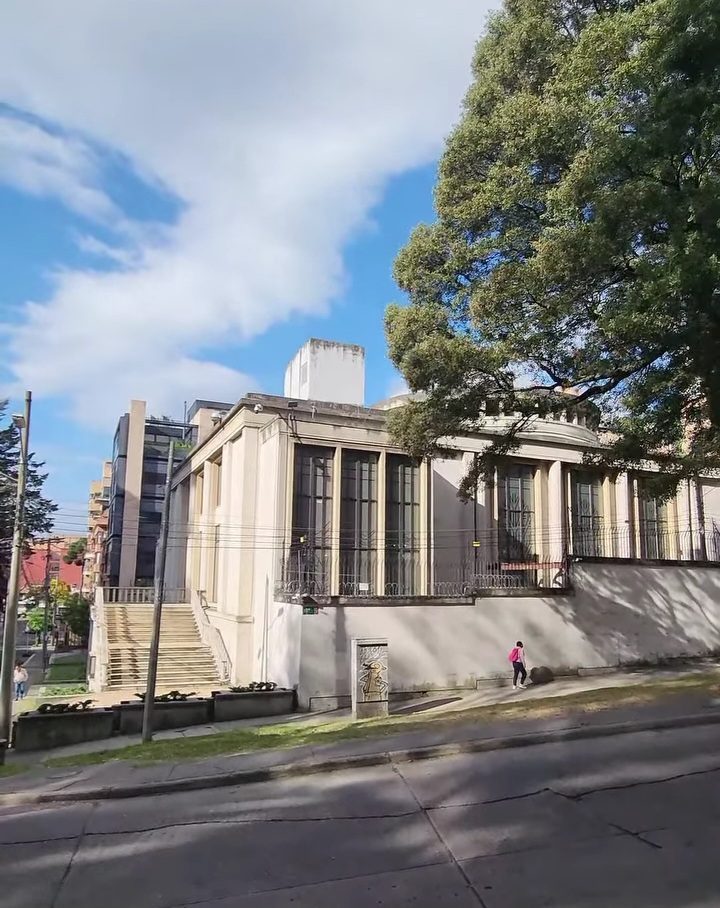
The Centro Israelita Sionista de Costa Rica, the country's central Jewish institution, was founded in San José in 1930. Shaarei Zion, the first synagogue in Costa Rica, was built in the capital in 1933. Both were established by the wave of immigrants from Zelechów and other Polish towns who arrived in the late 1920s and early 1930s.
History of the Jews in Costa Rica · Centro Israelita SionistaThey came as peddlers from one Polish town, to a country that was not sure it wanted them. Within a generation they had built in stone.
The community in Jerusalem stone
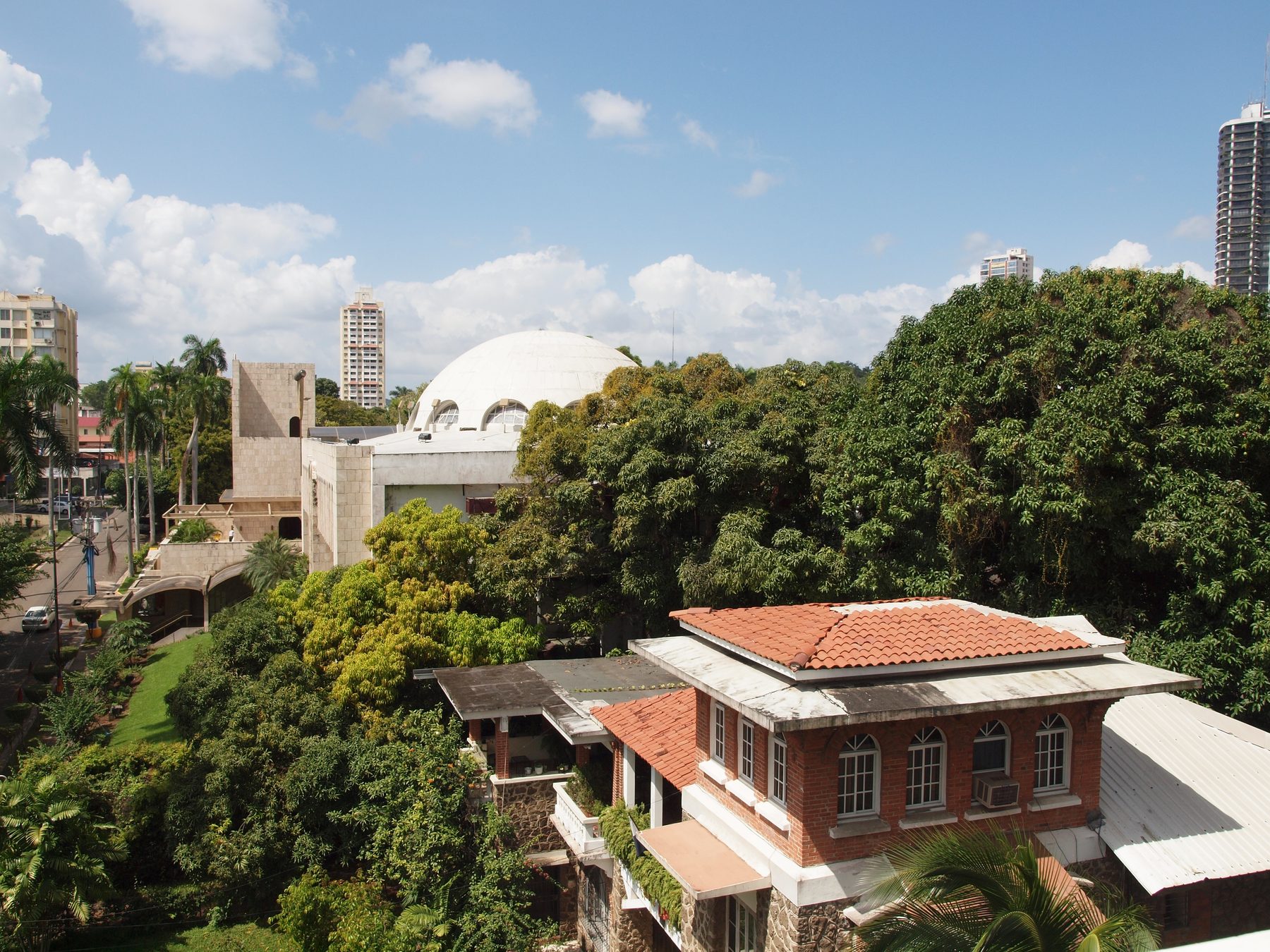
In 2004 the Centro Israelita completed a new complex in San José, built of Jerusalem stone and local materials, housing a 1,000-seat Shaarei Zion synagogue along with schools and communal facilities. The descendants of door-to-door peddlers had built, within seventy years, one of the most visible Jewish campuses in Central America.
Centro Israelita Sionista de Costa RicaThe capital that chose to be seen
Today San José holds the great majority of Costa Rica's Jews, with the country's synagogues, day school, community centre and cultural life concentrated in and around the capital. Later arrivals, including American and Israeli immigrants, added their own layers, but the spine of the community is still the same close-knit, Zelechów-descended Ashkenazi core that organised itself in the 1930s and refused to recede.
That refusal is the through-line. A community can survive by going quiet, and many have. San José's chose the opposite: visible institutions, a public address, a building you could point to. For a few hundred peddlers from one Polish town, dropped into a country at the edge of their imagination, that confidence was not a luxury. It was the plan.
Further reading