Aphrodisias, in Roman Asia Minor, was a rich city of sculpture and civic display. Its Jewish community is famous because it left a public inscription long enough to read like a city directory.
That inscription does not sound furtive. It sounds established.
Jews in the civic frame
The donor inscription lists Jewish benefactors alongside others and makes clear that the community was part of the city’s public fabric. That is the key fact: the Jews were not outside the civic world; they were one of its actors.
The city’s Jewish life was visible enough to be carved.
The Aphrodisias synagogue donor inscription
The famous synagogue inscription from Aphrodisias lists Jewish donors and civic titles in a public setting. It is one of the most important epigraphic witnesses to a prosperous Jewish community in the Roman Empire.
Aphrodisias Excavations; New York UniversityMore than a room of prayer
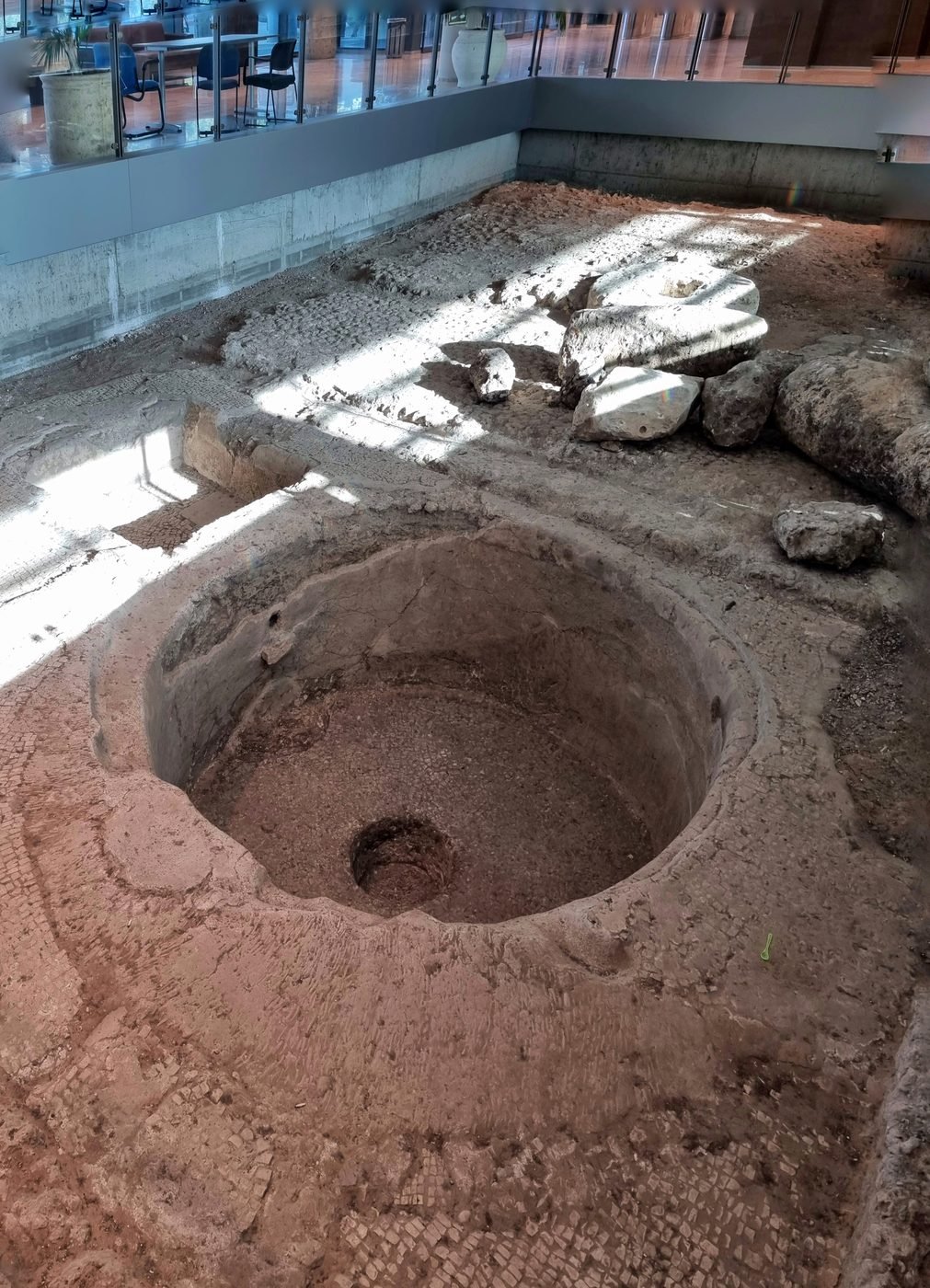
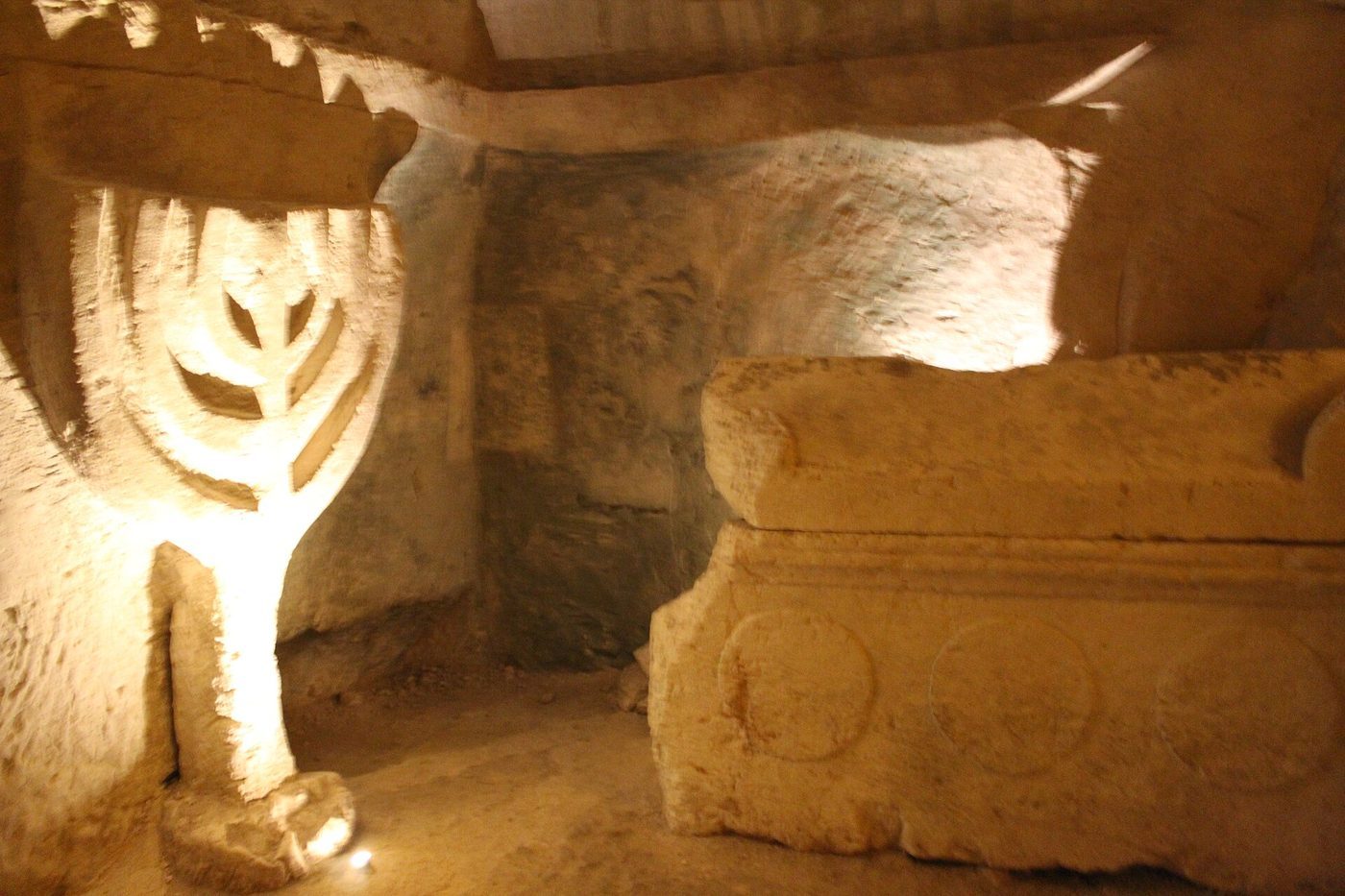
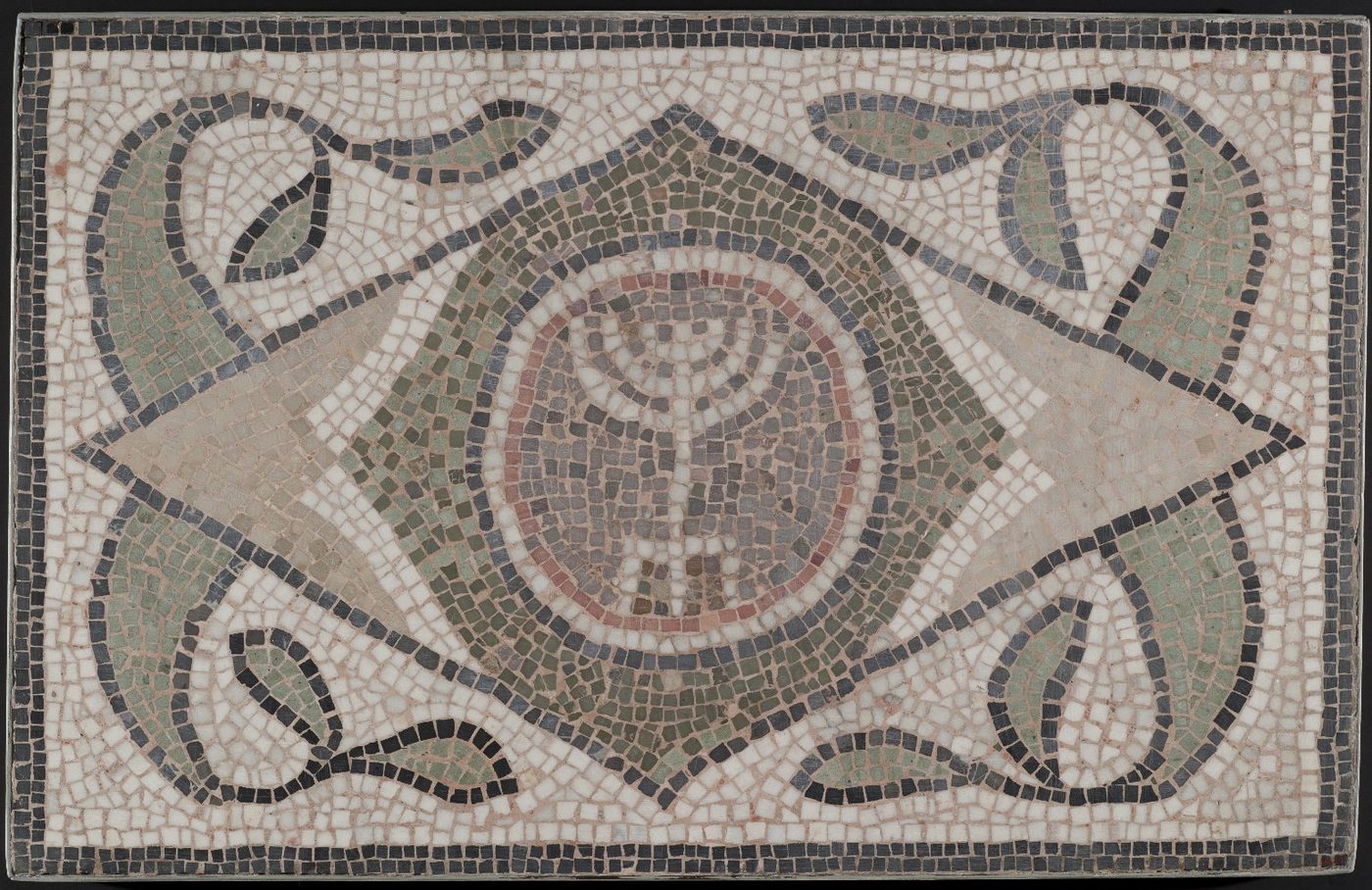
Excavations also exposed a synagogue building and decorative fragments that confirm a durable communal presence. Aphrodisias was not a marginal stop on a travel route; it was a city with a Jewish community embedded in its life.
That is the lesson the stones keep repeating.
The inscription even names god-fearers, gentile sympathisers attached to the community, beside the Jewish donors themselves.
Aphrodisias shows Jewish life written into the city, not tucked behind it.written into the city
The excavations recover the synagogue complex
Modern excavations at Aphrodisias uncovered the synagogue and associated public inscriptions, turning a literary curiosity into an excavated city quarter. The site became a benchmark for the study of Roman Jewish urban life.
Aphrodisias ExcavationsPublic, not secret
Aphrodisias is a rebuke to the idea that ancient Jewish life had to hide in the margins.
Sometimes the stone says, plainly, that the community was already in the room.