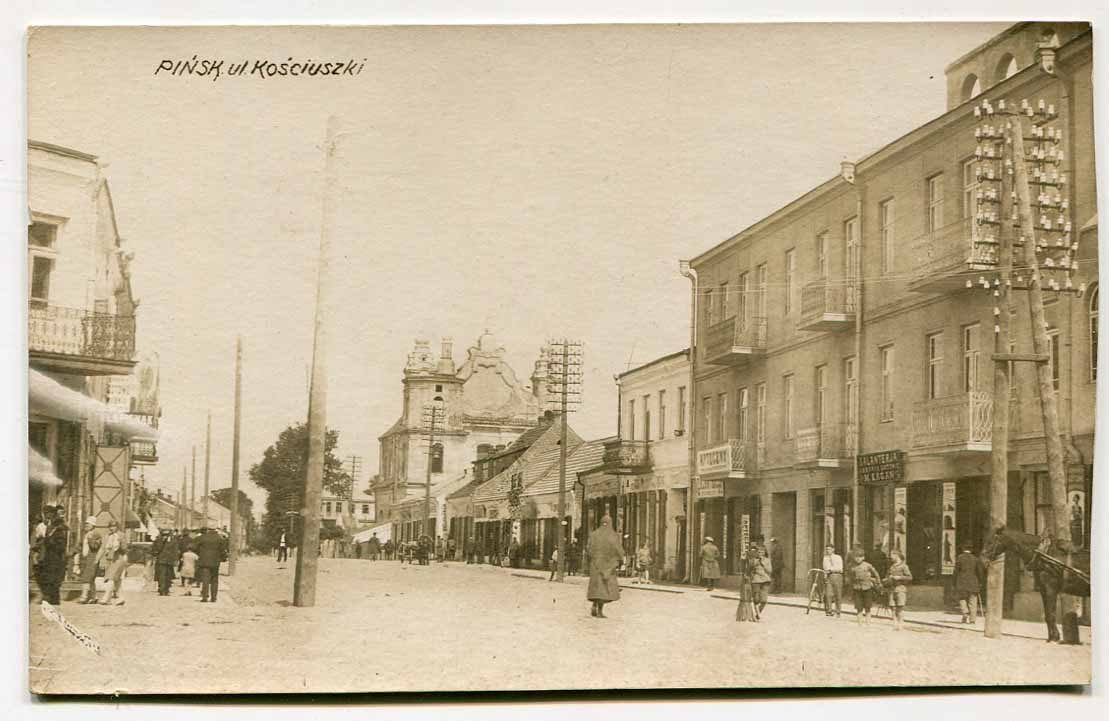
Brisk did not need a cathedral or a court to become famous. It became Brisk because its rabbis turned Talmud study into a form of conceptual engineering.
The town gave its name to a style of analysis that prized exact distinctions, clear categories, and the habit of asking what a law really is before deciding what it does.
A language of distinctions
Rabbi Chaim Soloveitchik, who served as chief rabbi of Brisk from the 1890s, gave the Brisker method its classic form. Students learned to separate one case from another until the structure of the sugya stood like a clean set of beams.
That exactness was not coldness. It was devotion with a ruler in its hand.
Rabbi Chaim Soloveitchik and the Brisker method
Rabbi Chaim Soloveitchik served as rabbi of Brisk and refined the conceptual method that came to bear the town’s name. Brisker analysis became a hallmark of twentieth-century Lithuanian and Haredi learning.
YIVO Encyclopedia of Jews in Eastern EuropeA town becomes an adjective
After the war, Brisk the town was no longer the world centre it had been, but Brisk the method kept moving through yeshivas in Jerusalem, New York, and Bnei Brak. The name travelled because the technique travelled.
That is the strange afterlife of scholarship: the place is partly swallowed by the thing it produced, and then the thing keeps the place alive.
The method passed down the Soloveitchik family, from Rabbi Chaim to his son Velvel and on through the dynasty’s yeshivas.
Brisk is a town that survived by becoming a way of thinking.a way of thinking
Brisker learning spreads beyond the town
The Brisker style became one of the most influential forms of Talmud study in the modern yeshiva world. After the destruction of the local community, Brisk survived as a method, a title, and a lineage in Israel and the diaspora.
Encyclopaedia Judaica; YIVOWhat endures
A town can disappear and still leave behind a discipline. Brisk left behind one of the sharpest.
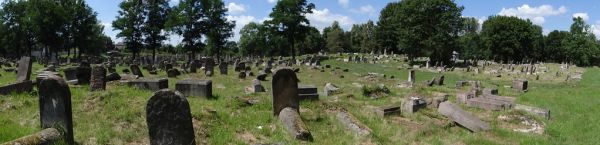
The old streets are quieter now, but the questions they taught still get asked.